


How can I remove leg hair?

Leg hair removal can be achieved through various methods, including shaving, depilatory creams, waxing, laser hair removal, and intense pulsed light (IPL) hair removal. These techniques remove hair from the leg’s surface to meet aesthetic needs; however, their duration of effectiveness varies significantly. If extensive redness, swelling, or skin ulceration occurs, prompt medical consultation and treatment are recommended.
1. Shaving:
A dedicated razor is used, moving in the direction of hair growth to quickly remove surface hair. Prior to shaving, moisten the leg skin and apply a lubricating product to minimize the risk of nicks or cuts. This method offers only short-term results, as new hair regrows rapidly.
2. Depilatory Creams:
A chemical-based cream is evenly applied to the hairy area of the leg and left on for a specified duration to dissolve the hair structure; the dissolved hair is then wiped away. Before full application, perform a patch test on a small area of skin to check for allergic reactions and avoid chemical irritation to the leg skin.
3. Waxing:
Warm wax is applied to the leg and spread smoothly along the direction of hair growth, then swiftly pulled off to extract hairs—including those rooted deep within the follicles. This procedure causes noticeable discomfort and may cause epidermal trauma due to pulling. It is contraindicated if the skin exhibits breaks, wounds, or active inflammation.
4. Laser Hair Removal:
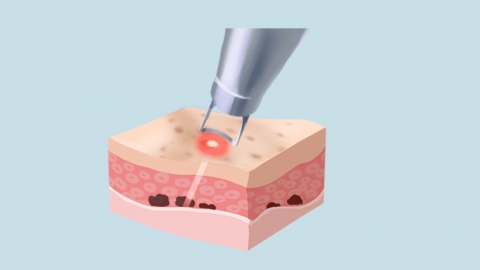
This technique uses light energy of a specific wavelength targeted at hair follicles to damage follicular tissue and reduce hair regrowth capacity. Multiple sessions are required to achieve stable, long-lasting results. Post-treatment sun protection is essential to prevent pigmentary changes in the leg skin.
5. Intense Pulsed Light (IPL) Hair Removal:
IPL utilizes broad-spectrum light to target hair follicles, thereby slowing hair growth. It is particularly suitable for individuals with lighter hair color and lower hair density. Following treatment, skin sensitivity increases; therefore, hot water rinsing should be minimized, and exposure to high-temperature environments avoided to reduce adverse skin reactions.
After hair removal, minimize friction on the leg skin and apply a moisturizing lotion to support skin barrier repair. When outdoors, ensure adequate sun protection for the legs to limit UV exposure and reduce the risk of post-inflammatory hyperpigmentation.


