


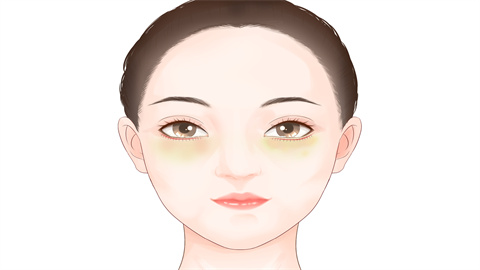
What should I do if I have severe under-eye bags?

Significant and severe under-eye bags can be managed through daily care, physical therapies, topical skincare products, minimally invasive treatments, or surgical correction—each approach aiming to alleviate periorbital edema and tissue laxity and thereby reduce the associated cosmetic changes. If persistent periorbital pain, blurred vision, or similar symptoms occur, prompt medical evaluation and treatment at a hospital are recommended.
1. Daily Care:
Adjust sleep habits by minimizing late-night activity; limit fluid intake before bedtime to prevent fluid accumulation around the eyes. Elevate the head slightly while sleeping, avoid prolonged forward head posture (e.g., looking down for extended periods), and reduce dietary salt intake to help relieve ocular edema and slow progressive worsening of under-eye bags.
2. Physical Therapy:
Apply cold compresses to soothe periorbital tissues, constrict local blood vessels, and reduce transient swelling. Gently massage the periorbital area using circular motions to enhance local circulation. Maintain light pressure throughout—avoid vigorous pulling or tugging on the delicate periorbital skin.
3. Topical Skincare Products:
Select eye-specific products containing hydrating and anti-aging ingredients, applying them to the skin surrounding the under-eye bags to improve hydration and enhance skin elasticity. These products are generally suitable only for mild laxity and cannot eliminate protruding orbital fat tissue.
4. Minimally Invasive Treatments:
Regulated minimally invasive procedures can tighten periorbital skin and improve mild fat herniation. Temporary post-treatment swelling is expected; adequate rest and strict sun protection are essential to minimize pigmentary changes. Multiple sessions are typically required to achieve and maintain stable results.
5. Surgical Correction:
For severe under-eye bags, surgery removes excess orbital fat and redundant, lax skin to reconstruct the periorbital anatomy. Sufficient postoperative rest is necessary, along with meticulous wound hygiene and avoidance of rubbing or massaging the area, to reduce risks such as swelling and hypertrophic scarring.
Limit prolonged screen time to prevent chronic periorbital muscle fatigue. Consistently practice periorbital sun protection in daily life to slow collagen degradation and preserve skin firmness—thereby delaying recurrence or progression of under-eye bags.


