


How is psoriasis treated?

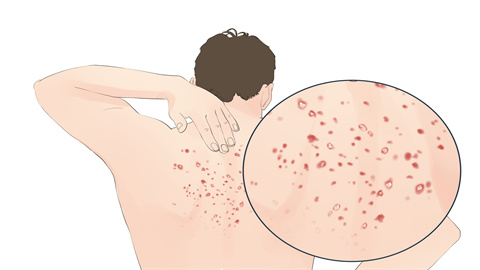
Psoriasis can be managed through various approaches—including daily skin care, phototherapy, topical medications, oral medications, and biologic agents—to suppress skin inflammation, slow down excessive epidermal proliferation, and alleviate erythematous, scaly lesions. If extensive skin lesions, fever, or other systemic symptoms occur, prompt medical evaluation and treatment at a hospital are strongly recommended.
1. Daily Skin Care:
Maintain skin hydration by applying gentle, fragrance-free moisturizers to affected areas to reduce dryness and scaling. Avoid skin trauma, sleep deprivation, smoking, and alcohol consumption, all of which may trigger or exacerbate disease activity. Practice emotional regulation and stress reduction to lower the risk of disease recurrence.
2. Phototherapy:
Narrowband ultraviolet B (NB-UVB) phototherapy is used to inhibit abnormal epidermal proliferation and reduce localized inflammatory responses. Treatment should follow a prescribed schedule with carefully controlled exposure duration per session. Monitor skin closely during therapy; discontinue irradiation immediately if significant burning or pain occurs.
3. Topical Medications:
Apply prescribed topical ointments or creams directly to lesional skin to alleviate erythema and scaling and normalize epidermal cell turnover. Ensure even coverage of affected areas while avoiding healthy skin. Monitor for adverse reactions—discontinue use if persistent stinging or erythema develops.
4. Oral Medications:
Systemic oral agents may be prescribed for patients with widespread or severe psoriatic lesions to modulate overall immune function and halt disease progression. Regular monitoring of laboratory parameters and organ function is essential during treatment. Dosage adjustments must only be made under physician supervision. Discontinuation of therapy should be gradual to prevent rapid disease rebound.
5. Biologic Therapy:
For patients with refractory or severe psoriasis, biologic agents targeting specific immune pathways offer rapid and effective control of extensive skin involvement. Prior to initiating biologics, comprehensive health screening—including infection and malignancy assessments—is mandatory. During treatment, patients should remain vigilant for any new or worsening symptoms and undergo regular clinical evaluations to assess therapeutic response and overall recovery.
Practice consistent skin protection in daily life—avoid cuts, scrapes, or friction injuries—to prevent the Koebner phenomenon (i.e., new lesion development at sites of trauma). Maintain a light, balanced diet and regular sleep-wake cycles to support stable immune function and minimize the risk of psoriasis relapse.


