


How is allergic dermatitis treated?

Allergic dermatitis treatment involves multiple approaches—including daily protection, physical soothing, topical medications, oral medications, and desensitization therapy—to effectively block allergens, reduce skin inflammation, and alleviate symptoms such as pruritus and erythema. If systemic rashes, chest tightness, or shortness of breath occur, prompt medical evaluation and treatment at a hospital are strongly recommended.
1. Daily Protection:
Identify and strictly avoid substances that trigger discomfort upon contact. Minimize skin exposure to synthetic fabrics and irritating cleansers or skincare products. Maintain a clean living environment; regularly dust and eliminate dust mites to reduce common environmental allergens—such as pollen and house-dust mites—and thereby decrease recurrent skin irritation.
2. Physical Soothing:
When the skin exhibits erythema, swelling, or pruritus, gently apply a cool, damp towel to the affected area to constrict local blood vessels and relieve burning sensations and itching. Avoid hot-water washing or vigorous scratching, which may damage the epidermis and increase the risk of secondary infection.
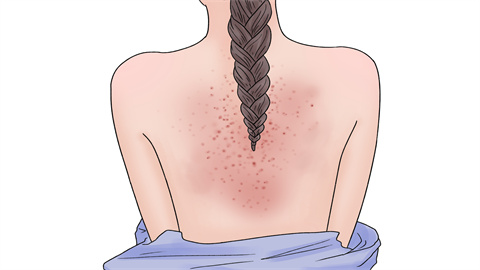
3. Topical Medications:
Apply appropriate medicated ointments or creams directly to affected skin areas to suppress localized inflammation and alleviate erythema and pruritus. Ensure application covers only the involved lesions, avoiding broken, ulcerated, or abraded skin. Monitor skin response closely; discontinue use immediately if persistent stinging or irritation occurs.
4. Oral Medications:
For extensive rashes or severe pruritus, oral antiallergic medications may be prescribed to suppress systemic allergic responses and relieve generalized discomfort. Always follow your physician’s instructions precisely—do not adjust dosage without medical guidance, to prevent unnecessary adverse effects or physiological burden.
5. Desensitization Therapy:
Once the specific allergen is identified, undergo physician-guided desensitization therapy to gradually enhance the body’s tolerance. This process typically requires an extended duration and consistent monitoring of clinical status to reduce both the severity and frequency of allergic reactions upon subsequent allergen exposure.
Additionally, minimize intake of spicy or highly stimulating foods, and increase consumption of fresh fruits and vegetables. Maintain regular sleep-wake cycles and ensure adequate skin hydration to support barrier repair and lower the likelihood of allergic inflammatory responses.


