


How to Treat Acne on the Chin
Sep 29, 2026
Source: Cainiu Health

Dr. Liu Wenmin
Introduction
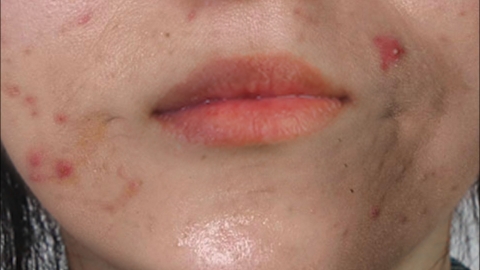
Chin acne can be managed through daily skincare, physical therapies, topical medications, oral medications, and aesthetic medical treatments to stabilize the skin condition of the chin, unclog blocked pores, reduce localized inflammation, and prevent recurrent acne. If you experience widespread pustular acne or persistent nodules and indurated lesions, seek prompt medical attention at a hospital.
Chin acne can be managed through daily skincare, physical therapies, topical medications, oral medications, and aesthetic medical treatments. These approaches help stabilize the skin condition of the chin, unclog blocked pores, reduce localized inflammation, and prevent recurrent acne outbreaks. If widespread pustular acne or persistent nodules and indurated masses develop, prompt medical consultation and treatment at a hospital are recommended.
1. Daily Skincare:
Maintain facial cleanliness, with particular attention to the chin area, to prevent accumulation of sebum and dust in pores. Avoid frequently touching or resting your chin with your hands. Maintain regular sleep patterns and a balanced diet, limiting intake of high-sugar and greasy foods to stabilize skin metabolism.
2. Physical Therapies:
Gentle chemical peels (e.g., glycolic acid) and red/blue light therapy can improve chin skin health by exfoliating aged keratinocytes and clearing excess sebum trapped within pores. These treatments also inhibit surface bacterial proliferation, soothe mild local inflammation, alleviate redness and swelling of active acne lesions, and improve overall skin texture.
3. Topical Medications:
After cleansing and thoroughly drying the skin, apply prescribed topical medications thinly onto affected areas. These medications help unclog follicles and normalize abnormal keratinization. They also suppress local inflammatory progression and fade superficial post-acne erythema. Consistent application gradually improves chronic chin acne.
4. Oral Medication Therapy:
For frequent, recurrent chin acne or widespread inflammatory lesions, oral medications that regulate sebum production and exert anti-inflammatory effects may be prescribed. Such treatments address underlying metabolic and endocrine imbalances, thereby reducing internal triggers for acne development and promoting long-term chin skin stability.
5. Aesthetic Medical Treatments:
For stubborn nodular acne and residual acne scars or hyperpigmentation, evidence-based aesthetic medical procedures can be employed. These treatments deeply cleanse pore debris, repair damaged skin tissue, lighten pigmentary deposits, and improve uneven skin texture on the chin.
In daily life, maintain a light, balanced diet and ensure regular bowel movements; engage in moderate exercise to enhance systemic metabolism; practice basic sun protection for the face to prevent post-acne pigmentation from worsening; and consistently care for the chin skin to minimize acne recurrence.


