


What should I do about a corn on my foot?

Treatment of corns (clavus) may include daily pressure relief and protection, physical debridement, topical caustic agents, cryotherapy, and surgical excision. These approaches aim to reduce localized friction and pressure, remove thickened keratinized tissue, alleviate pain during walking, and improve hyperkeratosis of the foot. If symptoms such as redness, swelling, pus formation, or severe pain impairing ambulation occur, prompt medical consultation is recommended.
1. Daily Pressure Relief and Protection:
Wear loose-fitting, soft shoes and socks to minimize localized compression and friction on the feet. Use cushioned insoles or pads to redistribute plantar pressure. Avoid prolonged standing or long-distance walking to prevent progressive keratin buildup and slow corn enlargement.
2. Physical Debridement:
After soaking the feet to soften the thickened keratin, gently file the superficial callus using specialized tools—removing only a small amount of tissue at each session. Perform this procedure carefully to avoid cutting healthy skin and risking infection. Regular, gentle debridement helps gradually reduce the corn’s prominence.
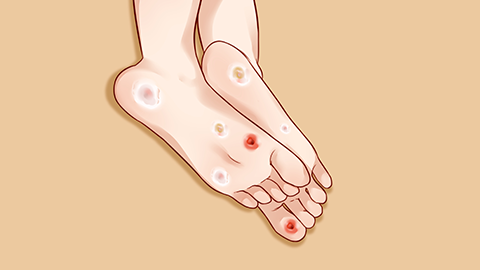
3. Topical Caustic Agents:
After thoroughly cleansing and drying the affected area, apply a prescribed keratolytic agent to gradually dissolve the hyperkeratotic tissue. Protect surrounding healthy skin, adhere to the recommended treatment schedule, monitor for changes, and discontinue use immediately if stinging, pain, or erythema develops.
4. Cryotherapy:
This procedure should be performed by healthcare professionals at a medical facility. Liquid nitrogen or another cryogen is applied to freeze and destroy the abnormal keratinized tissue, enabling gradual corn shedding. Post-treatment, localized blistering commonly occurs; keep the foot dry and minimize walking or friction to allow natural healing.
5. Surgical Excision:
When the corn is large and conservative treatments prove ineffective, local surgical excision may be considered. The entire hyperkeratotic lesion—including its root—is carefully removed. Postoperatively, meticulous wound care is essential: limit weight-bearing on the affected foot, monitor healing regularly, and thereby reduce recurrence risk.
Wash feet daily with warm water, maintain dry skin, and replace worn-out footwear promptly. Adjust gait patterns to reduce focal pressure and lower the likelihood of recurrent corn formation.


