


How to Treat Sunburn

Management of sunburn involves daily photoprotection, physical cooling and soothing, topical repair products, oral medications for regulation, and wound protection and recovery—aiming to mitigate UV-induced skin damage, alleviate symptoms such as erythema, burning sensation, and pain, and support gradual epidermal repair. If extensive blistering or persistent high fever occurs, prompt medical evaluation and treatment at a hospital are recommended.
1. Daily Photoprotection:
Immediately leave direct sunlight exposure to minimize further UV damage to affected skin. When outdoors, wear long-sleeved clothing and a wide-brimmed hat to shield the skin. Avoid peak sunlight hours until full skin recovery to prevent worsening of the sunburn.
2. Physical Cooling and Soothing:
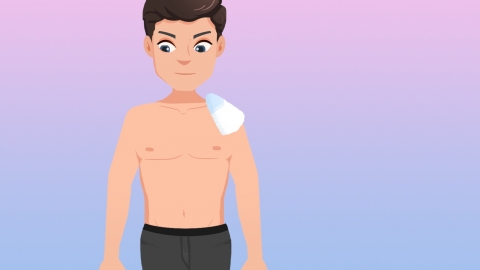
Apply cool (not icy) water or a cool, damp towel to the sunburned area to lower skin surface temperature and relieve burning and pain. Do not apply ice directly to the skin, as extreme temperature differences may cause secondary injury. Limit each cold compress session to an appropriate duration.
3. Topical Repair Products:
After cooling, apply moisturizing and barrier-repairing topical products to replenish lost hydration and reinforce the skin barrier. Avoid applying products directly onto broken blisters. Apply a thin, even layer and monitor skin response; discontinue use immediately if stinging or irritation occurs.
4. Oral Medications for Regulation:
When sunburn is accompanied by significant pain or widespread erythema, anti-inflammatory medications may be prescribed under medical supervision to reduce inflammation. Take medications strictly as directed—adhering to prescribed dosage and schedule—and monitor for adverse effects; do not increase dosage without professional guidance.
5. Wound Protection and Recovery:
If blisters develop, keep the blister roof intact—do not peel or puncture it. Maintain cleanliness of the affected area and minimize friction from clothing to allow natural reabsorption of blister fluid and reduce infection risk.
Drink ample warm water to maintain hydration and avoid spicy foods. Refrain from using exfoliants or acid-based skincare products to allow sufficient time for skin repair and minimize post-inflammatory hyperpigmentation.


