


How to Make Thin Hair Thicker

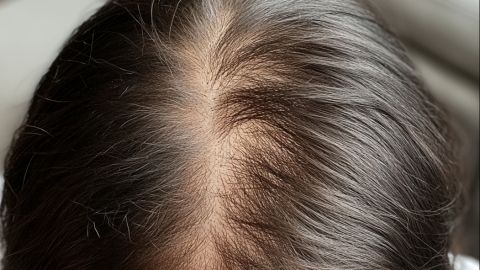
Thinning hair can be made thicker through daily scalp care, physical stimulation therapy, topical hair growth products, oral nutritional supplementation, and hair transplantation—thereby improving the scalp environment, nourishing hair follicles, delaying hair loss, stimulating new hair growth, and enhancing overall hair density. If you experience sudden, excessive hair shedding or extensive scarring on the scalp, seek prompt medical evaluation and treatment.
1. Daily Scalp Care:
Maintain scalp cleanliness by using gentle shampoo products and controlling shampoo frequency to minimize sebum accumulation and follicular blockage. Maintain regular sleep patterns, avoid staying up late, eat balanced meals, and reduce intake of high-sugar and high-fat foods to stabilize endocrine function and mitigate hair loss.
2. Physical Stimulation Therapy:
Gently brush the scalp daily to promote local blood circulation and enhance nutrient delivery to hair follicles. Apply light pressure without pulling or tugging at the hair. Low-energy scalp care devices may also be used to support improvement of the follicular microenvironment.
3. Topical Hair Growth Products:
After cleansing and thoroughly drying the scalp, apply the appropriate topical formulation to thinning areas to directly target hair follicles and prolong the anagen (growth) phase. Consistent long-term use is required; monitor scalp condition closely and discontinue use immediately if persistent itching or redness/swelling occurs.
4. Oral Nutritional Supplementation:
When noticeable hair shedding occurs, supplement with essential trace elements and nutrients required for healthy hair growth to strengthen follicular vitality. Take supplements only as prescribed by a physician, regularly assess changes in hair condition, and avoid prolonged self-administration of nutritional supplements without medical supervision.
5. Hair Transplantation:
When follicles have undergone complete necrosis and conservative treatments yield limited results, hair transplantation may be considered. Healthy follicles are harvested and transplanted into thinning areas. Postoperative scalp care is critical to ensure successful engraftment and growth of transplanted follicles.
Avoid frequent perming and dyeing to minimize chemical damage to hair follicles. Maintain emotional stability, engage in regular moderate exercise, and sustain optimal metabolic function to help prevent chronic hair loss.


