


What Causes Scabies?

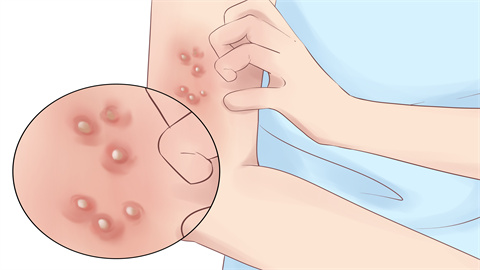
Scabies is caused by infestation with the scabies mite (*Sarcoptes scabiei*), direct skin-to-skin contact, indirect contact via contaminated objects, impaired skin barrier function, and overcrowded or humid living conditions. The mites burrow into the epidermis, where they live and reproduce, triggering inflammatory responses in the skin that lead to intense pruritus and characteristic rashes. If widespread rash or secondary bacterial infection (e.g., purulent skin lesions) develops, prompt medical evaluation and treatment at a hospital are strongly recommended.
1. Scabies Mite Infestation:
Microscopic scabies mites penetrate the stratum corneum of human skin and excavate burrows within the epidermis, where they lay eggs and deposit metabolic waste. These secretions continuously stimulate cutaneous nerve endings, provoking severe itching and resulting in characteristic papules and linear burrow-like lesions.
2. Direct Contact Transmission:
Close, prolonged skin-to-skin contact with an infected individual significantly increases transmission risk. Activities such as extended limb contact or sharing a bed substantially elevate susceptibility. This mode of transmission is one of the primary routes for scabies acquisition.
3. Indirect Contact via Contaminated Objects:
Transmission may also occur through contact with clothing, bedding, or towels contaminated by scabies mites. Although mites cannot survive long off the human host, they remain viable for a short period; thus, sharing personal items without proper disinfection poses a significant infection risk.
4. Compromised Skin Barrier:
Minor skin injuries, dryness, or scaling impair the skin’s natural defense against mite invasion. Individuals with compromised epidermal integrity are more susceptible to rapid mite penetration and tend to experience accelerated symptom progression following infection.
5. Overcrowded and Humid Living Conditions:
Crowded, poorly ventilated, and high-humidity environments favor mite survival and spread. Outbreaks frequently occur in dormitories or shared housing, and inadequate environmental hygiene can perpetuate recurrent cross-infections.
Infected individuals should wash all clothing and bedding in hot water and then sun-dry them thoroughly. Rooms should be kept well-ventilated and dry. Close physical contact with others should be minimized, and rigorous personal hygiene must be maintained to prevent disease recurrence and further transmission.


