


Will the skin become lighter after hyperthyroidism is cured?

After hyperthyroidism has been successfully treated, skin color does not necessarily become lighter. Changes in skin tone are related to the degree of pigment deposition that occurred during the illness. Hyperthyroidism disrupts metabolism, and some individuals experience darkening of the skin. Once metabolic function stabilizes following treatment, pigmentation gradually fades—but this process cannot alter one’s inherent, genetically determined baseline skin tone. Persistent skin darkening accompanied by other symptoms warrants prompt medical evaluation.
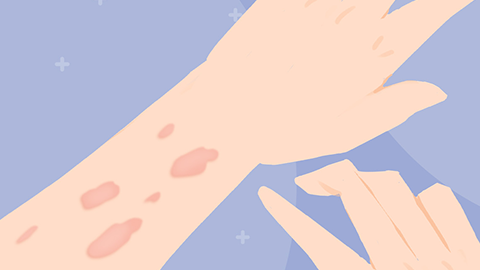
During the active phase of hyperthyroidism, the body’s metabolic rate accelerates, and endocrine imbalances stimulate melanocytes to become more active, leading to increased melanin accumulation in the skin—manifesting as dullness or darkening of facial and limb skin. Additionally, excessive sweating and skin warmth, combined with repeated friction, can further exacerbate localized pigment deposition. Standardized antithyroid drug therapy, along with regular monitoring of thyroid function, helps gradually restore hormone levels to the normal range.
Once thyroid function returns to normal, metabolism stabilizes, melanin production progressively decreases, and previously deposited pigment is gradually shed through natural skin turnover. This process is slow and may take several months. Since baseline skin tone is genetically determined, once disease-related hyperpigmentation resolves, the skin reverts to its original natural hue—it will not become unexpectedly lighter.
In daily life, consistent sun protection outdoors helps minimize ultraviolet-induced pigment stimulation; adequate sleep supports endocrine stability; and routine moisturizing care promotes epidermal turnover, thereby assisting in the gradual fading of pigment deposits acquired during the illness.


