


Can CIN3 with glandular involvement be completely cured?

CIN3 with glandular involvement refers to cervical intraepithelial neoplasia grade 3 extending into the cervical glands. This is a relatively severe precancerous lesion of the cervix; early detection and timely treatment offer a good chance of cure. However, if the lesion is extensive and deeply invasive, complete cure may be difficult. Prompt medical consultation and treatment are strongly recommended. The following analysis elaborates on this:
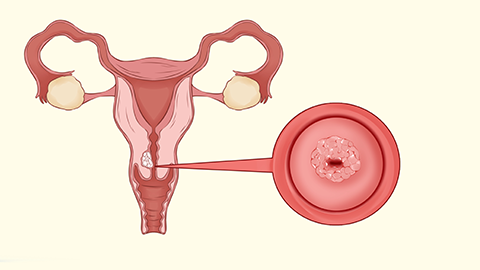
If CIN3 with glandular involvement is detected early—such as through routine cervical cancer screening—and effective treatment is initiated promptly, the likelihood of cure is high. Cervical conization is the standard surgical approach, including cold-knife conization and loop electrosurgical excision procedure (LEEP). Both techniques aim to completely excise the affected tissue. Provided that the surgical margins are free of dysplastic cells, complete eradication of the lesion is achievable. Postoperatively, patients require regular follow-up, including cervical cytology (Pap smear) and HPV testing. Sustained normal results across multiple consecutive tests generally indicate successful resolution of the disease.
Conversely, if the lesion is widespread—extending deeply into the endocervical glands—or shows minimal infiltration into adjacent structures such as the parametrium, simple cervical conization may fail to achieve complete resection. In such cases, residual disease is highly likely, increasing the risk of recurrence even after surgery, thereby rendering definitive cure challenging. Moreover, a positive surgical margin identified on postoperative histopathological examination confirms incomplete removal of the lesion and signifies a higher risk of subsequent recurrence.
During recovery, it is important to support healing by maintaining adequate nutrition. Foods rich in essential nutrients—such as eggs and grapefruit—can aid physical recovery.


