


What Are the Early Signs of Perianal Abscess Recurrence?
Aug 08, 2021
Source: Cainiu Health

Dr. Li Jingxiang
Introduction
Perianal abscess recurrence is often preceded by symptoms such as localized pain, swelling, fever with chills, abnormal bowel movements, and increased discharge. Daily care should emphasize perianal hygiene, diet, and physical activity; any abnormalities should prompt prompt medical evaluation and treatment. Prior to recurrence, patients may experience mild pain—typically localized around the anus—caused by re-accumulation of inflammatory exudate, which irritates the peripheral nerve endings in the perianal region.
Recurrence of perianal abscess is often preceded by symptoms such as localized pain, swelling, fever with chills, abnormal defecation, and increased discharge. Daily care—including perianal hygiene, diet, and physical activity—is essential; any abnormalities should prompt prompt medical evaluation and treatment. Below is a detailed analysis:
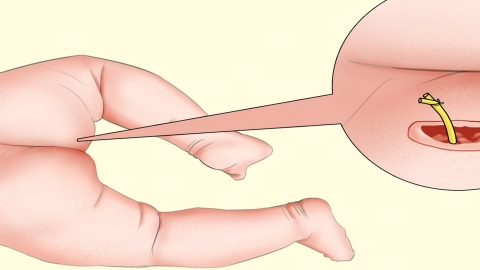
1. Localized Pain
Prior to recurrence, patients may experience mild pain localized around the anus. This discomfort arises from renewed inflammatory accumulation, which irritates nerve endings in the perianal region. As inflammation progresses, the pain intensifies—evolving from intermittent to persistent.
2. Swelling Sensation
A sensation of swelling begins to develop in the perianal skin, with noticeable thickening and enlargement of surrounding tissues. This results from localized tissue hyperemia and edema secondary to bacterial infection. Initially, swelling may be subtle—merely a feeling of fullness or tightness. As the condition advances, palpation reveals taut skin and a firm, subcutaneous mass—an inflammatory tissue response indicating possible recurrence.
3. Fever and Chills
Patients may develop low-grade fever (typically 37.5°C–38°C), often accompanied by mild chills. These systemic manifestations reflect the immune system’s response to recurrent perianal inflammation. Fever represents the body’s generalized reaction to bacterial infection; inflammatory cytokines entering the bloodstream stimulate the hypothalamic thermoregulatory center, elevating core temperature. Chills occur as involuntary muscular contractions aimed at generating heat to raise body temperature.
4. Abnormal Defecation
Pain typically worsens during bowel movements due to mechanical compression of the swollen or abscessed perianal area. Constipation or difficulty passing stool may also occur, along with changes in stool caliber—such as narrowing—which results from extrinsic compression of the rectum or anal canal by adjacent inflammatory masses, leading to luminal constriction.
5. Increased Discharge
Perianal discharge increases, often appearing purulent or streaked with blood. This occurs because inflamed tissues exude fluid during abscess formation. Initially, discharge may be minimal but progressively increases as the condition worsens. The discharge can irritate surrounding skin, causing pruritus and other discomforts—making it a key early sign of recurrence.
In daily life, maintain meticulous perianal hygiene: cleanse the area with warm water after each bowel movement and avoid harsh or irritating cleansers. Dietarily, consume ample dietary fiber—such as vegetables and fruits—to prevent constipation.


