


What Causes Pain at the Back of the Head?

Occipital pain (pain at the back of the head) may stem from numerous underlying causes. Headache—particularly as the primary symptom—is commonly observed in infectious febrile illnesses, osteophytosis (bone spur formation), intracranial tumors, other intracranial disorders, neurosis, post-concussive syndrome, and migraine. Etiologically, headache often arises from external pathogenic factors (e.g., wind-cold or wind-heat invasion), emotional disharmony, chronic illness leading to constitutional deficiency, or dietary irregularities—all of which impair circulation in the head’s collaterals or deprive the brain and marrow of adequate nourishment. Below, we discuss specific causes of occipital pain.
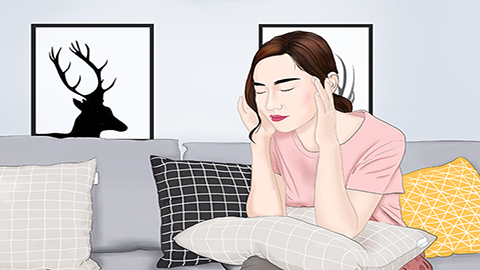
What Causes Occipital Pain?
1. Cervical Spondylosis
Headache caused by cervical spondylosis typically localizes to the occipital region and neck. It results from nerve compression or irritation due to hypertrophic cervical spondylitis or osteophytes (bone spurs). Cervical radiography may reveal evidence of osteophyte formation.
2. Occipital Neuralgia
Occipital neuralgia manifests primarily as pain in the occipital and cervical regions. Local tenderness at the Fengchi (GB20) acupoint is frequently present. Common etiologies include infection, local irritation, or muscle tension and traction. This type of neuralgic pain may be secondary to cervical spondylosis or an intracranial tumor.

3. Muscle Contraction (Tension-Type Headache)
Also termed tension-type headache, this condition commonly results from occupational stress, fatigue, prolonged writing or reading, extended computer use, or poor posture—leading to sustained contraction of facial or cervical musculature and cerebral vasoconstriction. Occipital pain in such cases reflects spasm of the posterior cervical muscles.
4. “Sleeping Wrong” (Acute Cervical Sprain)
Muscle strain-induced headache may occur due to improper sleeping posture—for instance, prolonged lateral rotation of the head and neck during sleep. Exposure to wind-cold—for example, sleeping without adequate warmth or excessive cooling during summer—may cause stagnation of qi and blood in the nape and back of the neck, obstructing the meridians and resulting in stiffness and pain.
5. Cerebral Hypoperfusion
Intermittent occipital pain is frequently associated with cerebral hypoperfusion—a common cerebrovascular disorder among middle-aged and elderly individuals. It is often linked to underlying conditions such as hyperlipidemia, hypertension, and diabetes mellitus, all of which contribute to atherosclerosis. Atherosclerotic plaque formation narrows arterial lumens, thereby compromising cerebral blood supply and producing neurological symptoms.

Quick Tip:
If occipital pain is localized to the scalp, it is likely attributable to scalp nerve tension—often resulting from inadequate rest or excessive mental strain. In general, occipital pain caused by fatigue or cervical spondylosis may be alleviated through massage or warm compresses. Drinking teas with refreshing and heat-clearing properties may also provide symptomatic relief.


