


Why does it itch down there during menstruation?

Generally speaking, “Big Auntie” is a colloquial term for menstruation. Itching in the genital area during menstruation may be associated with local dampness and heat, poor personal hygiene habits, hormonal fluctuations, allergic reactions, or vaginitis. If discomfort occurs, prompt medical consultation is recommended, and symptomatic treatment should be undertaken under a physician’s guidance. A detailed analysis follows:
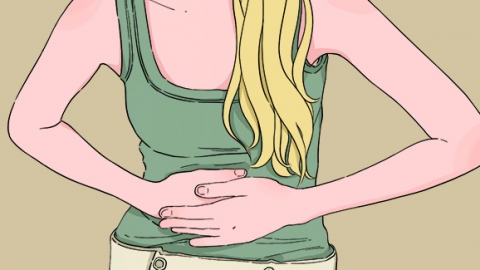
1. Local Dampness and Heat
During menstruation, women commonly use sanitary pads or tampons. These products create a relatively enclosed environment around the vulva, impeding air circulation and elevating local humidity and temperature. Prolonged use of the same sanitary pad—especially without timely replacement—leads to accumulation of menstrual blood and secretions, exacerbating local discomfort and irritating the vulvar skin and mucosa, thereby causing itching. Sanitary pads should be changed frequently—ideally every 2–3 hours, particularly during periods of heavy flow.
2. Poor Personal Hygiene Habits
Inadequate external genital cleansing during menstruation allows menstrual blood, secretions, and sweat to accumulate on the vulva. Failure to wash the external genitalia daily—or improper washing techniques—can compromise the natural protective barrier function of the vulvar skin, facilitating bacterial invasion and resulting in itching. Daily cleansing with warm water is advised; always wipe from front to back to prevent fecal bacteria from the anus from entering the vagina. After washing, gently pat dry with a clean, soft towel or tissue to maintain vulvar cleanliness and dryness.
3. Hormonal Fluctuations
Significant hormonal changes occur during menstruation. A decline in estrogen levels may cause vaginal mucosa to become thinner and drier, reducing local resistance. Under these conditions, both the vagina and vulva become more susceptible to external irritants, triggering itching. Moreover, hormonal shifts can alter vaginal pH, disrupting the native microbial equilibrium and contributing to pruritus. Dietary adjustments—including increased intake of nuts, whole grains, and leafy green vegetables—may help support hormonal balance.
4. Allergic Reactions
The materials used in sanitary pads or tampons may provoke allergic responses. Some women are sensitive to fragrances, fluorescent agents, cotton fibers, or other chemical components present in these products. Upon contact with the vulvar skin, the immune system may recognize such substances as foreign and harmful, initiating an allergic reaction characterized by itching, erythema, and swelling. Treatment options—under medical supervision—include cetirizine hydrochloride tablets, loratadine tablets, or cetirizine hydrochloride oral solution.
5. Vaginitis
Vaginitis is often caused by *Trichomonas vaginalis*. Affected individuals may experience vulvar itching, increased vaginal discharge, and malodor even outside of menstruation. During menses, altered vaginal conditions favor trichomonad proliferation, intensifying itching and potentially causing foul odor and vaginal mucosal congestion. Symptom relief may be achieved under physician guidance using medications such as metronidazole vaginal suppositories, Baofukang suppositories, or clotrimazole vaginal tablets.
Maintain good menstrual hygiene practices: always wash hands before changing sanitary pads to ensure hand cleanliness. Avoid using harsh or strongly scented cleansers on the external genitalia, and refrain from excessive internal vaginal douching, which may disturb the natural vaginal microbiota.


