


What are the symptoms of uterine atrophy?

The uterus is the most vital component of the female reproductive system, primarily responsible for embryo implantation and gestation. It also produces menstrual flow. A normal uterus has an inverted triangular shape and consists mainly of muscular tissue. Moreover, the uterine cavity functions as an endocrine organ involved in menstruation and is regulated by hormonal levels. So, what are the symptoms of uterine atrophy? Below, we address this question.
What Are the Symptoms of Uterine Atrophy?
In general, uterine atrophy may manifest as menstrual abnormalities, abnormal vaginal discharge (leukorrhea), or developmental malformations. Regular pelvic ultrasound examinations are recommended to monitor uterine morphology and function. Detailed explanations follow:
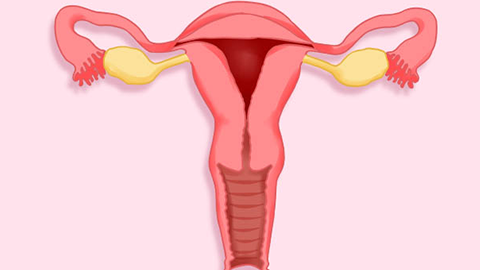
1. Menstrual Abnormalities
These include primary amenorrhea in cases of congenital absence of the uterus or rudimentary uterus. Patients with infantile (hypoplastic) uterus may experience primary amenorrhea, oligomenorrhea, delayed menarche, dysmenorrhea, or irregular menstrual cycles. Women with uterine anomalies such as didelphys or bicornuate uterus often present with menorrhagia and prolonged menstrual duration. Furthermore, uterine hypoplasia—including absent uterus, rudimentary uterus, or infantile uterus—is frequently a leading cause of infertility.
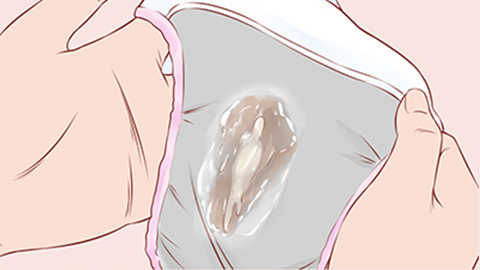
2. Abnormal Vaginal Discharge
Uterine atrophy can disrupt endocrine balance, resulting in abnormal vaginal secretions—such as increased viscosity or foul odor of leukorrhea.
3. Developmental Malformations
Uterine atrophy may lead to endometrial thinning, impairing embryonic implantation and compromising embryonic growth and development—potentially resulting in miscarriage or preterm birth.
Additionally, uterine atrophy may contribute to complications such as retained placenta and postpartum hemorrhage. To help prevent hormonal imbalances, maintain adequate rest, ensure balanced nutrition, and engage in appropriate physical activity.


