


How long does postpartum vaginal flatulence last?

Vaginal flatulence (also known as “yin chui”) refers to the involuntary passage of air from the vagina—often producing sounds similar to flatulence. This condition is typically uncontrollable; in severe cases, it may produce a continuous, rustling sound. It arises from pathological changes in the pelvic region—such as trauma sustained during vaginal delivery or induced abortion—which can cause tearing and atrophy of vaginal elastic fibers, leading to muscular laxity. Consequently, friction during movement or activity generates excessive gas within the vaginal canal. So, how long does vaginal flatulence persist after natural childbirth? Below, we address this question.

How Long Does Vaginal Flatulence Last After Natural Childbirth?
Typically, vaginal flatulence following natural childbirth results from postpartum vaginal laxity. In most cases, symptoms resolve spontaneously within two weeks, and full recovery is generally achieved within three months. Since both pregnancy and childbirth can cause structural damage or relaxation of pelvic tissues, affected individuals are advised to actively engage in pelvic floor exercises and undergo timely pelvic floor assessments to identify which specific muscles are compromised. If conservative exercise regimens fail to restore vaginal tone, surgical intervention may be considered. During recovery, dietary adjustments should also be prioritized.
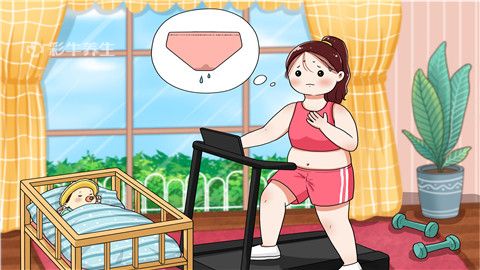
Knowledge Extension: Managing Postpartum Vaginal Laxity
1. Reduce Frequency of Sexual Intercourse
In some women, excessive sexual activity may contribute to vaginal laxity. Engaging in intercourse two to three times per week is generally not associated with significant laxity. Therefore, women experiencing mild-to-moderate vaginal relaxation may benefit from reducing intercourse frequency. Additionally, Kegel-style vaginal massage techniques may help improve vaginal tone.
2. Undergo Vaginal Tightening Surgery
For women with severe vaginal laxity, non-surgical interventions alone are unlikely to yield satisfactory outcomes. In such cases, surgical correction—commonly referred to as vaginal rejuvenation—is recommended. This minimally invasive procedure restores vaginal elasticity and tightness rapidly, enhances sexual satisfaction, and may also alleviate prolapse of the urethra, bladder, or other pelvic organs.

3. Perform Abdominal Contraction and Pelvic Floor Exercises (Kegels)
Pelvic floor muscle training is an effective method for restoring vaginal tone. Women who have delivered vaginally may begin these exercises approximately two weeks postpartum. Each evening before sleep, lie supine and consciously contract the vaginal and anal sphincter muscles; repeat this same exercise upon waking each morning. Performing these contractions for at least 30 minutes twice daily yields optimal results.
The above outlines the typical duration and management strategies for vaginal flatulence following natural childbirth. We hope this information proves helpful.


