What Should You Eat After Rectal Cancer Surgery?
Sep 21, 2021
Source: Cainiu Health
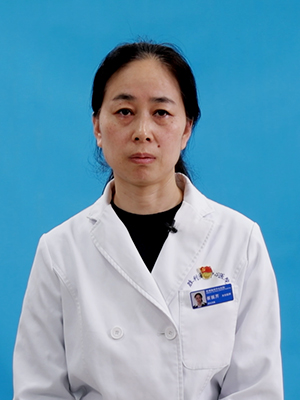
Dr. Cui Zhenqin
Introduction
In principle, after rectal cancer surgery, patients should consume foods rich in vitamins and high-quality proteins—such as fruits, vegetables, and whole grains. Moreover, rectal cancer patients often experience significant depletion of vital energy (Qi) postoperatively; therefore, adequate protein intake is essential to support recovery. Accordingly, it is advisable to include protein-rich, low-fat foods such as eggs, milk, and legumes in the diet.
Surgical treatment of rectal cancer includes procedures such as anterior resection and abdominoperineal resection. Surgery is a common therapeutic approach for rectal cancer—particularly in early- and mid-stage disease, before the cancer has spread. Timely surgical intervention can effectively treat the disease and prevent tumor cell dissemination and metastasis. So, what should patients eat after rectal cancer surgery? The following section addresses this question.

What Should Patients Eat After Rectal Cancer Surgery?
In principle, patients should consume foods rich in vitamins and high-quality proteins following rectal cancer surgery. Recommended options include fruits, vegetables, and whole grains. Because rectal cancer surgery significantly depletes the body’s vital energy (“Qi”), protein supplementation is especially important to support postoperative recovery. Foods such as eggs, milk, and legumes—which are rich in high-quality, easily digestible proteins—are therefore highly recommended. Additionally, many rectal cancer patients suffer from persistent, refractory diarrhea; thus, their diet should emphasize easily digestible and absorbable foods. Patients should minimize intake of high-fat foods, which are difficult to digest and may exacerbate diarrhea symptoms.

Knowledge Expansion: What Are the Symptoms of Rectal Cancer?
1. Abdominal Pain
Colorectal cancer is a malignant neoplasm. Patients commonly experience significant abdominal distension and pain due to impaired intestinal function. Without timely and effective treatment and disease control, symptoms progressively worsen, and vomiting may develop—constituting a hallmark clinical manifestation of colorectal cancer.
2. Blood in Stool
Hematochezia (blood in stool) is another prominent symptom of colorectal cancer. In early or milder cases, patients may notice streaks of blood in their stool; in more advanced disease, dark red blood may be observed emanating from the anus—often mixed with stool. This is a serious clinical sign and one of the earliest warning indicators of colorectal cancer.
The above outlines dietary recommendations following rectal cancer surgery. We hope this information is helpful to you.