


Is Low-Grade Squamous Lesion (LSIL)可怕?

Generally, low-grade squamous lesions are not serious or alarming. It is recommended to promptly visit a hospital for evaluation and receive symptom-directed treatment under the guidance of a healthcare provider. The following provides a detailed explanation:
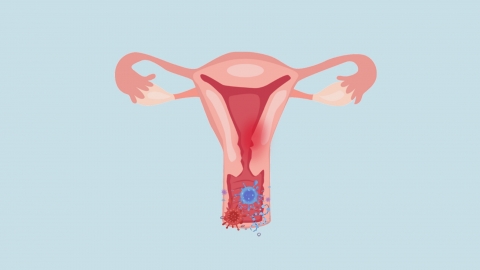
A low-grade squamous lesion typically refers to mild cellular atypia in the cervical squamous epithelium. This change predominantly affects the superficial or intermediate layers of cervical epithelial cells, manifesting as subtle abnormalities in cell size, shape, and nuclear-to-cytoplasmic ratio. Although these changes indicate early pathological alterations, they remain relatively mild. Low-grade squamous lesions constitute one type of cervical precancerous lesion; however, the risk of progression to malignancy is low.
Most patients with low-grade squamous lesions are asymptomatic. Some may experience increased vaginal discharge, which may become thinner, more abundant, or slightly malodorous. A small number of patients may present with postcoital or post-examination contact bleeding—i.e., minimal vaginal bleeding following sexual intercourse or gynecological examination.
Most low-grade squamous lesions resolve spontaneously without requiring specific treatment. However, if the lesion persists or progresses, medical intervention—such as cryotherapy or laser ablation—may be recommended per the physician’s advice.


