


Self-Therapy for Chronic Pelvic Inflammatory Disease
Nov 22, 2021
Source: Cainiu Health
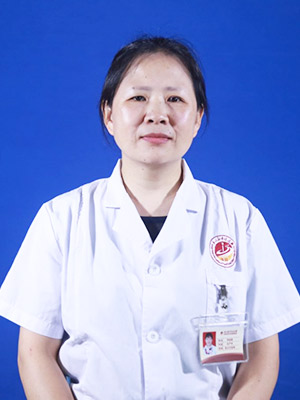
Dr. Deng Xuanbi
Introduction
1. Massage therapy: Place both palms on the lower abdomen and gently rotate and push outward toward the inguinal region; then reverse the direction and push back. This may be performed dozens of times daily.
2. Personal hygiene: Maintain strict genital hygiene, especially during menstruation, the postpartum period, and after abortion.
3. Dietary therapy: For example, regularly consume Angelica sinensis–ginger–mutton soup.
Chronic pelvic inflammatory disease (PID) is a common gynecological inflammation that tends to persist and recur over long periods, causing significant discomfort for women. However, certain self-care approaches can be adopted in daily life to help alleviate symptoms. So, what are the self-management strategies for chronic PID? Below, we outline several effective methods.

Self-Management Strategies for Chronic Pelvic Inflammatory Disease
1. Tuina (Chinese Therapeutic Massage)
Place both palms on the lower abdomen and gently rotate and push outward toward the inguinal regions; then reverse the motion and push back inward. Perform this maneuver dozens of times daily. You may also massage the inner thighs—before beginning, rub your hands together to warm them, which enhances the therapeutic effect.
2. Personal Hygiene
Maintaining good personal hygiene is essential in the self-management of chronic PID. Women must pay special attention to genital hygiene—particularly during menstruation, postpartum recovery, and after abortion. Change sanitary pads frequently during menstruation and underwear regularly. Additionally, balance work and rest, cultivate healthy habits, and wash the external genitalia daily with an antiseptic solution. If feasible, rinse the perineal area after each bowel movement.

3. Dietary Therapy
Dietary therapy may benefit patients with chronic PID. For instance, regularly consuming “Danggui Ginger Lamb Soup”—prepared by simmering Chinese angelica (Danggui), ginger, and lamb—can nourish Qi and blood, dispel cold, and relieve pain. This remedy is especially suitable for patients with chronic PID associated with a constitutionally cold or deficient pattern. Overall, patients should favor warm, nourishing foods and avoid spicy or irritating foods.
4. Moxibustion Therapy
Moxibustion helps warm Yang, tonify Qi, warm the meridians, unblock collaterals, resolve stasis, disperse nodules, and strengthen the middle Jiao. It is particularly effective for patients with chronic PID due to uterine cold or cold-dominant patterns. Key acupoints include Qihai (CV6), Guanyuan (CV4), Zhongji (CV3), and Guilai (ST29). The patient lies supine while a moxa stick is lit and held approximately 2–3 cm above the skin surface at each selected point, producing a gentle warming sensation without burning or pain. Each point is treated for 15–20 minutes, once or twice daily.
The above outlines key self-management strategies for chronic pelvic inflammatory disease. We hope this information proves helpful. Wishing you a joyful life and optimal health!





