


What should I do if my wound becomes infected and inflamed?

In daily life, minor injuries are inevitable—especially while cooking, when accidental cuts from knives can result in relatively large wounds that bleed profusely, heal slowly, and, if improperly managed, easily become infected and suppurative, thereby impeding wound recovery. So, what should you do if a wound becomes infected and inflamed? Let’s explore this together.
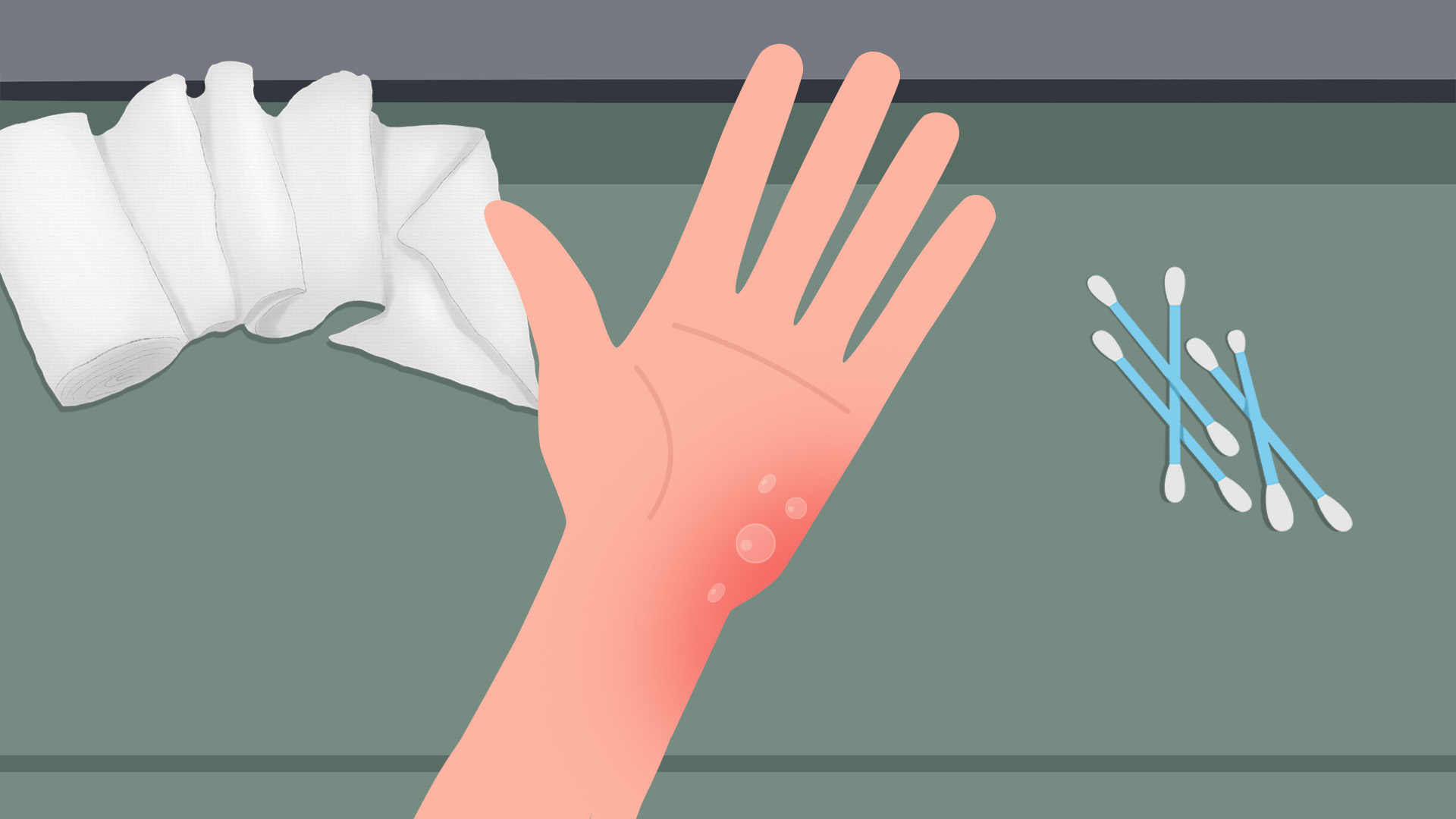
What to Do When a Wound Becomes Infected and Inflamed
For non-suppurative wound inflammation, simple management suffices if no pus is present: gently remove debris around the wound, irrigate thoroughly with normal saline, and disinfect with povidone-iodine. Oral anti-inflammatory medications may also be prescribed during treatment. For suppurative wounds, after cleansing with povidone-iodine, rinse again with normal saline. If necrotic tissue is present, debridement—surgical removal of dead or damaged tissue—is essential. In cases of severe or extensive wounds, advanced wound-closure techniques (e.g., negative-pressure wound therapy) and adjunctive pharmacotherapy may be employed to accelerate healing. In summary, prompt, targeted intervention is critical for managing wound inflammation and preventing delays in healing.
Foods to Avoid with an Open Wound
1. Spicy and Irritating Foods
Individuals with open wounds should minimize or avoid spicy and irritating foods. These foods may trigger “heatiness” (a traditional Chinese medicine concept referring to inflammatory or hyperactive physiological states), potentially exacerbating local inflammation and hindering normal wound healing.
2. Edible Fungi
Avoid edible fungi such as mushrooms and shiitake mushrooms. Excessive consumption may stimulate wind-rising and yang-excess patterns in Traditional Chinese Medicine, potentially triggering or worsening pre-existing conditions like liver-yang headache or liver-wind dizziness. Moreover, these foods may provoke or aggravate skin abscesses, carbuncles, or other inflammatory skin lesions—and may contribute to excessive liver-fire, warranting strict moderation.
3. Pungent-Seafood Foods
If you have a skin wound, avoid seafood such as kelp, yellow croaker, and crab. These foods are considered “cold” and “fishy” in nature according to Traditional Chinese Medicine principles and may impair normal wound healing.
The above outlines key considerations for managing infected, inflamed wounds. We hope this information proves helpful. Wishing you a joyful life and robust health!


