


How long after childbirth can one consume Ejiao?
Donkey-hide gelatin (ejiao) is a highly nutritious food for women. Many women consume it postpartum to replenish essential nutrients lost during childbirth. While ejiao does offer nutritional benefits, its consumption must be tailored to the individual’s physical condition—immediate intake after delivery may adversely affect recovery. Therefore, timing and dosage require careful consideration. So, how long after childbirth can one safely begin consuming ejiao? Let’s explore this further.
When Can Ejiao Be Consumed Postpartum?
Generally, it is advisable for new mothers to begin consuming ejiao about one month after delivery. Ejiao is rich in proteins, amino acids, trace elements, and other vital nutrients required by the human body. It supports postpartum recovery, enhances breast milk quality, strengthens maternal constitution, and exerts notable blood-enriching effects—helping prevent anemia during lactation and promoting overall maternal nourishment. However, the early postpartum period demands gentle care rather than aggressive supplementation. Moreover, ejiao possesses blood-activating properties; thus, it should not be taken before surgical or perineal wounds have fully healed and scarred. Only after complete wound closure should ejiao be gradually introduced as part of a regulated regimen.
Knowledge Extension: Nutritional Value of Ejiao
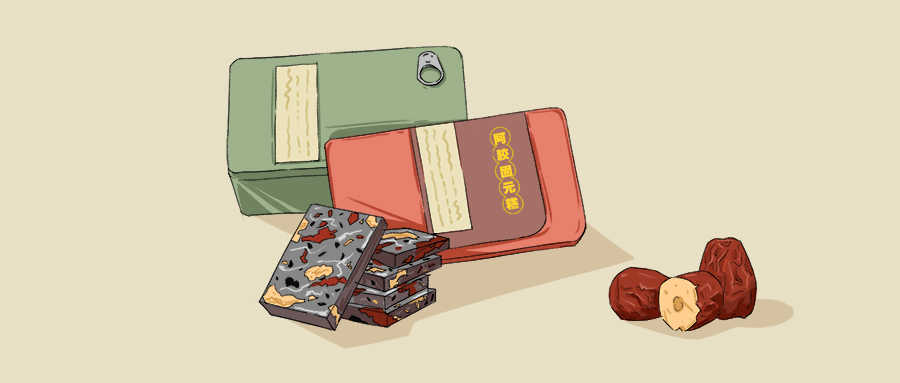
As a traditional tonic, ejiao contains abundant nutrients essential for the human body—including proteins, amino acids, and trace elements. For women who experience significant blood loss during childbirth, ejiao serves as an effective blood-replenishing food. Incorporating ejiao into the postpartum “sitting-month” diet can accelerate maternal recovery. Combining ejiao with other foods further enhances its efficacy. Examples include ejiao-sea cucumber congee, ejiao-goji-chicken stew, ejiao-lotus seed congee, and ejiao-scallion-white honey drink—delicious and nutritionally balanced recipes. Nevertheless, due to its potent nourishing properties, even women with postpartum weakness should avoid overconsumption; two to three servings per week are generally sufficient.
Knowledge Extension: Important Considerations for Ejiao Consumption During Lactation
During breastfeeding, ejiao intake must be strictly moderated—excessive consumption may cause internal heat (“fire”), which could transfer via breast milk and adversely affect the infant. Similarly, commercially processed ejiao products often contain additives; therefore, their intake should also be limited. Women with weak gastrointestinal function or impaired digestion should use ejiao with caution. Additionally, lactating mothers should bear in mind that excessive postpartum tonification is inadvisable. Moderate supplementation aids maternal energy restoration, but over-supplementation may lead to maternal weight gain. Overly rich breast milk may contribute to infant obesity if the baby has robust digestion—or cause diarrhea and other digestive discomforts if the infant’s digestive capacity is immature. Thus, lactating mothers must carefully calibrate their nutritional supplementation.
The above outlines the recommended timing for consuming ejiao postpartum. We hope this information proves helpful.


