Can brain tumors be treated?
Dec 09, 2021
Source: Cainiu Health

Dr. Ren Xiaoping
Introduction
Can Brain Tumors Be Cured?
Brain tumors are classified as either benign or malignant. Benign brain tumors can often be cured through surgical resection—especially when complete removal is achieved. In contrast, malignant brain tumors—such as malignant gliomas—have a limited survival period even with comprehensive treatment including surgery, radiation therapy, and chemotherapy; they cannot be cured. Radiation therapy is a treatment modality that uses ionizing radiation of varying energy levels to target the tumor, thereby inhibiting cancer cell growth and inducing tumor cell death.
Many people have a basic understanding of brain tumors, which are relatively common. The causes of brain tumors are diverse—some are hereditary, while others result from psychiatric disorders, endocrine imbalances, and other factors. Brain tumors occur most frequently in individuals aged 20–50 years. Depending on the case, surgical intervention may be required. So, can brain tumors be cured? Below, let’s explore expert insights on this question.
Can Brain Tumors Be Cured?
Brain tumors are classified as either benign or malignant. Benign brain tumors can often be cured through surgical resection—especially when complete removal is achieved. In contrast, malignant brain tumors—such as malignant gliomas—have limited survival outcomes even with combined treatment modalities including surgery, radiotherapy, and chemotherapy, and cannot be definitively cured.
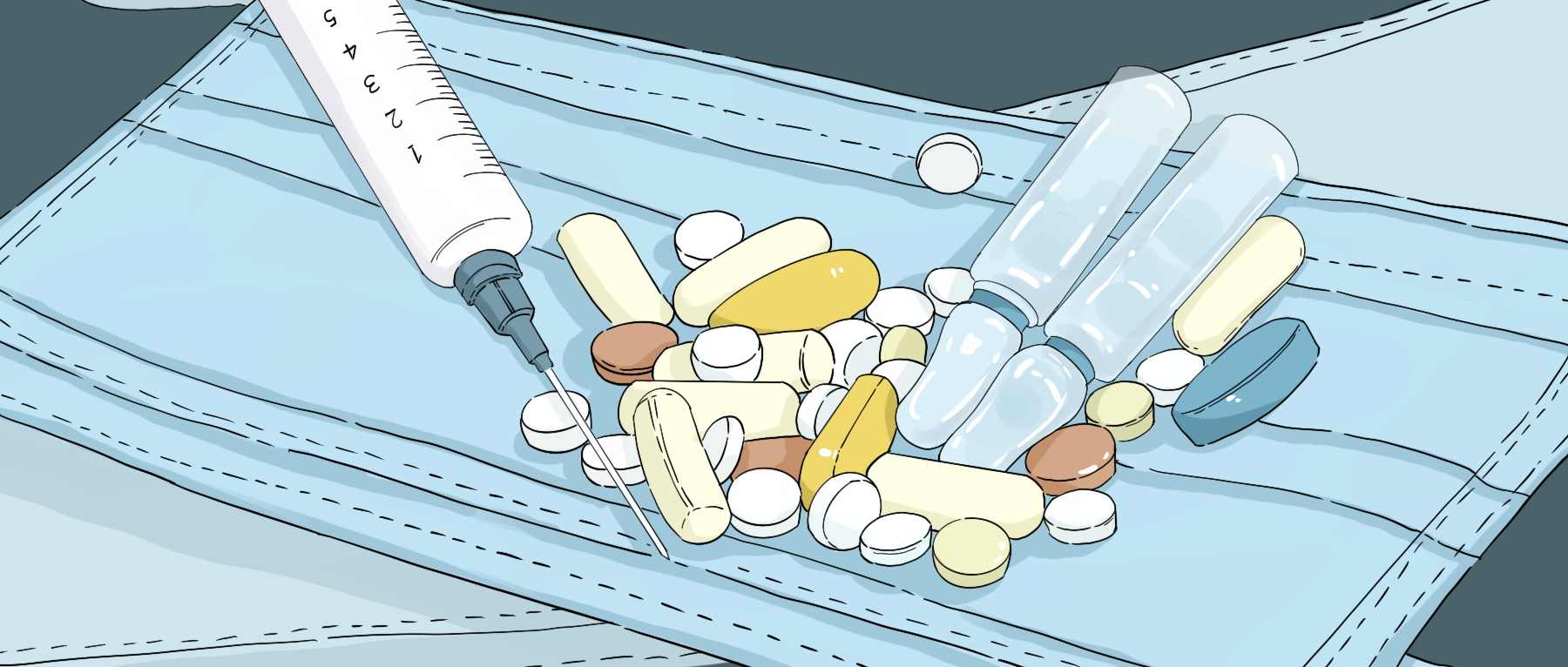
Radiotherapy involves irradiating the tumor with beams of varying energy levels to inhibit and destroy cancer cells. It may be used as a standalone treatment or integrated with surgery and/or chemotherapy as part of a comprehensive treatment strategy to improve overall cancer cure rates. Preoperative radiotherapy can shrink tumor volume, potentially enabling surgical resection in patients previously deemed inoperable. For advanced-stage cancers, palliative radiotherapy can alleviate symptoms such as pressure-related discomfort and pain.
What Is a Brain Tumor?
Intracranial tumors—also referred to as brain tumors or cranial tumors—are neoplasms arising within the cranial cavity and involving the nervous system. They include tumors originating from neuroepithelial tissue, peripheral nerves, meninges, and germ cells; lymphoid and hematopoietic tumors; craniopharyngiomas and granular cell tumors of the sellar region; and metastatic tumors. When malignant tumors from other organs spread to the brain, they are termed secondary intracranial tumors. Intracranial tumors may occur at any age but are most prevalent among individuals aged 20–50 years. Any patient presenting with progressive signs of increased intracranial pressure and worsening neurological deficits should be evaluated for possible intracranial space-occupying lesions. A thorough medical history and detailed neurological examination may suggest the diagnosis in certain cases. In recent years, advances in neuroimaging and functional diagnostic techniques have made auxiliary examinations the primary means of diagnosing intracranial tumors.
What Causes Brain Tumors?
1. Molecular biological studies of tumors indicate that two major classes of genes are closely associated with tumor initiation and progression: oncogenes and tumor-suppressor genes. Activation and overexpression of oncogenes can trigger tumorigenesis, whereas the presence and expression of tumor-suppressor genes help prevent tumor development. However, merely harboring an oncogene does not inevitably lead to tumor formation; repeated and multifactorial stimuli are typically required to induce incremental cellular changes.
2. Clinical manifestations depend largely on tumor location. Common focal neurological symptoms include motor and sensory dysfunction—such as limb weakness, paralysis, numbness, seizures or epilepsy, visual impairment or field defects, olfactory disturbances, sensorineural hearing loss, language deficits, gait ataxia, cognitive decline, psychiatric symptoms, and endocrine dysregulation or developmental abnormalities. These features often co-occur as distinct clinical syndromes.
The above provides an overview of whether brain tumors can be cured. We hope this information is helpful to you. Wishing you good health and happiness.