


Risks of Facial Thread Lifting

Facial thread lifting is a relatively niche cosmetic procedure. As aesthetic medicine continues to advance, this technique has gradually faded from public awareness. That said, facial thread lifting does offer certain cosmetic benefits; however, its limited popularity stems largely from its relatively high risk profile. So, what are the potential hazards of facial thread lifting? Below, we address this question.
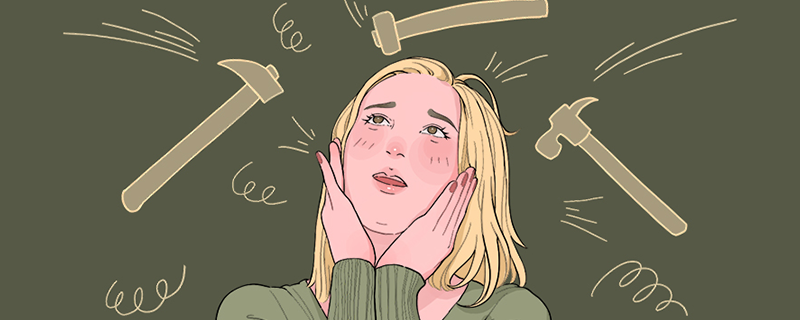
Potential Risks of Facial Thread Lifting
1. Facial Muscle Distortion
Thread lifting for facial slimming may inadvertently damage sensory nerves in the face. Surgical errors or oversights during the procedure—such as imprecise placement or inadequate attention to anatomical detail—can lead to facial muscle numbness and subsequent distortion, potentially causing neurological complications.
2. Facial Asymmetry
If the chosen clinic or surgeon lacks sufficient expertise, they may fail to accurately calculate the optimal thread placement and tension required for each individual. This miscalculation can result in noticeable asymmetry between the left and right sides of the face.
3. Postoperative Edema
This procedure involves manipulation near facial blood vessels and nerves, increasing the risk of postoperative complications such as intra-zygomatic hemorrhage (bleeding within the cheekbone area). Inadequate postoperative care may further contribute to persistent swelling or other long-term sequelae.
4. Thread Breakage
After undergoing facial thread lifting, excessive facial animation or overly vigorous facial massage may cause the implanted threads to snap. This can lead to thread displacement—or even extrusion through the skin surface.
The above outlines the primary risks associated with facial thread lifting. We hope this information proves helpful.


