


What is the circumcision procedure?

Circumcision is a surgical procedure involving the removal of an appropriate amount of prepuce (foreskin) to fully expose the glans penis. It is primarily used to treat phimosis (tight foreskin), redundant prepuce (excess foreskin), and to prevent associated complications. The typical circumcison procedure includes anesthesia, patient positioning and preparation, prepuce excision, wound closure (sutures), dressing application, and postoperative care. A detailed breakdown follows:
1. Anesthesia
In adults, local anesthesia is typically administered via injection at the base of the penis to ensure pain-free surgery. In children—who may have limited cooperation—general anesthesia is often required.
2. Positioning and Preparation
The patient lies supine on the operating table. Preoperative preparation includes hair removal (trichotomy) and antisepsis. The surgical site is cleansed with soap and water and saline, followed by disinfection with an antiseptic solution.
3. Prepuce Excision
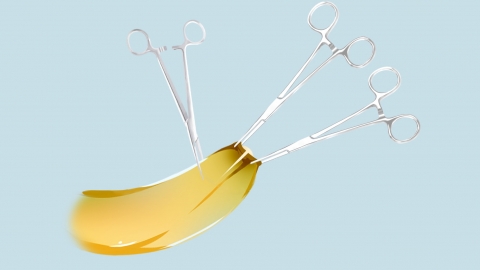
The surgeon uses hemostatic forceps to grasp the prepuce and then excises the excess tissue along pre-marked lines using medical scissors or a laser device. Minor oozing may occur during excision; hemostasis is achieved using electrocautery, suture ligation, or laser coagulation.
4. Wound Closure (Suturing)
After excision, the surgeon inspects for residual bleeding points and assesses whether the remaining prepuce length is appropriate and glans exposure satisfactory. Interrupted sutures using absorbable suture material—or rapid wound closure using a stapler or suture device—are performed to ensure optimal wound healing.
5. Dressing Application and Postoperative Care
Following suture placement, the wound is covered with sterile gauze and secured with an elastic bandage under gentle pressure to minimize bleeding and edema. Postoperatively, patients must keep the wound clean and dry, change dressings regularly as instructed, and follow their physician’s recovery guidance. Strenuous physical activity and sexual intercourse should be avoided to prevent wound disruption and promote healing.
Patients must strictly adhere to medical instructions postoperatively, maintain good personal hygiene, and ensure adequate rest to facilitate optimal wound healing.


