


Methods for Correcting Dental Crossbite
Dec 20, 2021
Source: Cainiu Health
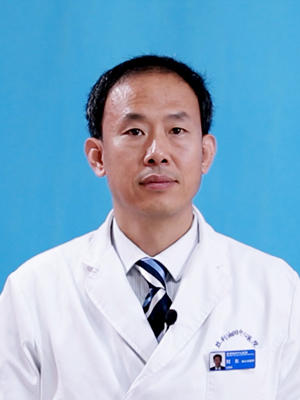
Dr. Liu Dong
Introduction
Methods for Correcting Dental Crossbite:
I. Conventional Braces—This method is primarily suitable for未成年 patients with prognathism (protruding teeth), as they are still in their growth and development phase. Timely application of external force via braces can effectively reposition the protruding teeth.
II. Porcelain Veneers (Cosmetic Crowns)—This approach is mainly indicated for adult patients, whose alveolar bone has reached a stable state.
Reverse occlusion—commonly known as “underbite” or “moon face”—is a relatively common dental condition that significantly affects facial aesthetics. Once reverse occlusion develops, timely orthodontic intervention is essential to restore a natural, harmonious dental appearance. Below, we outline several effective methods for correcting reverse occlusion!

Methods for Correcting Reverse Occlusion
I. Conventional Braces
This method is primarily suitable for adolescents with protruding teeth (overjet). Since adolescents are still in their active growth and development phase, applying controlled external force via braces can effectively reposition protruding teeth. Generally, wearing braces for approximately two years yields satisfactory results.
II. Porcelain Veneers (Cosmetic Crowns)
This approach is mainly indicated for adults. In adulthood, the alveolar bone has stabilized; therefore, conventional mechanical orthodontic forces may risk tooth mobility. Cosmetic crowns offer a non-extraction alternative for correcting protruding teeth. With this method, treatment is completed in just seven days, effectively resolving the issue of protrusion and delivering a healthy, bright smile.
III. Orthognathic Surgery
Primarily intended for adults, orthognathic surgery achieves functional and aesthetic improvements—including restoration of oral function and facial contour—in approximately one hour. However, it involves osteotomy (cutting and repositioning of jaw bones), entails significant surgical trauma, and carries risks such as alveolar bone resorption and dental pulp necrosis.
IV. Minimally Invasive Orthodontics
This method is suitable for individuals aged 16 years and older. It combines collaborative expertise from both plastic surgery and dentistry: an initial one-hour corrective procedure is followed by adjunctive invisible aligner therapy for gradual, precise alignment. This integrated approach fully restores oral function and achieves optimal facial harmony, empowering patients with newfound confidence in their smiles.
The above outlines key approaches to correcting reverse occlusion. Importantly, each method offers distinct advantages and indications depending on patient age, skeletal maturity, severity of malocclusion, and individual preferences. Therefore, prior to initiating treatment, patients should consult qualified professionals and select the most appropriate correction strategy based on their specific clinical circumstances.



