What Are the Types of Minimally Invasive Cosmetic Procedures?
Dec 21, 2021
Source: Cainiu Health

Dr. Liu Wan
Introduction
Minimally invasive cosmetic procedures are typically non-permanent, yet offer the advantages of being non-surgical, enabling rapid correction of aesthetic concerns with relatively immediate results. Except for poly-L-lactic acid (PLLA), which stimulates the body’s own collagen production and therefore requires about one month to show visible effects, most treatments yield noticeable improvements within one week.
Minimally invasive cosmetic procedures have grown increasingly popular in recent years. These procedures can achieve hair removal and skin-enhancement effects, and rhinoplasty can be performed using hyaluronic acid injections. A wide variety of minimally invasive cosmetic treatments are available—including rhinoplasty, breast augmentation, and laser hair removal. Individuals should select the appropriate procedure based on their personal needs and must pay close attention to post-procedure care.
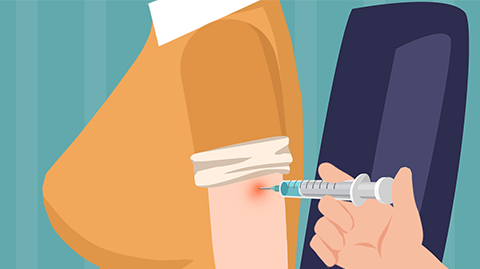
What Are Minimally Invasive Cosmetic Procedures?
Minimally invasive cosmetic procedures encompass numerous treatment categories, such as hyaluronic acid injections, skin-whitening injections, and lipolysis injections. Due to their simplicity and convenience, these procedures typically take only about one to two hours to complete.
Generally, minimally invasive cosmetic procedures are non-permanent aesthetic interventions. They do not require surgical incisions, allow for rapid correction of minor imperfections, and produce relatively immediate results. With the exception of poly-L-lactic acid (PLLA) 3D treatments—which stimulate endogenous collagen production and therefore require approximately one month to show visible effects—most treatments yield noticeable improvements within one week.
Although minimally invasive cosmetic procedures deliver excellent aesthetic outcomes without surgery—and many patients perceive them as highly safe—they remain medical interventions subject to inherent clinical risks. The injectable products used must be authentic and sourced through legitimate, regulated channels; injection sites and dosages must be precisely determined. Improper administration—for example, incorrect placement or dosage of botulinum toxin—may result in adverse effects such as facial stiffness or asymmetry. Use of unapproved or counterfeit injectables may trigger systemic adverse reactions, and in severe cases, even prove fatal.
In recent years, the surge in popularity of minimally invasive cosmetic procedures has been accompanied by serious market disorder. According to relevant Chinese regulations, only medical institutions licensed for aesthetic medicine may perform injectable cosmetic procedures. Yet numerous unauthorized clinics continue operating illegally. Common violations include practitioners lacking proper medical qualifications, treatment environments failing to meet sterilization standards, and exaggerated or false claims regarding treatment efficacy. Such noncompliant medical practices have given rise to a host of safety issues, posing significant risks to consumer health.
We hope the above information is helpful to you. Wishing you a pleasant and healthy life!