What should I do if my eyebrows swell after embroidery?
Dec 22, 2021
Source: Cainiu Health
Dr. Li Ruizhi
Introduction
1. If your eyebrow tattoo becomes inflamed, apply erythromycin eye ointment. Do not apply it directly with your fingers, as hands carry numerous bacteria; direct contact with the inflamed area may worsen the inflammation.
2. Take anti-inflammatory medication if your eyebrow tattoo becomes inflamed. Oral anti-inflammatory drugs can help reduce inflammation at the affected site.
3. Avoid spicy foods during eyebrow tattoo inflammation.
Eyebrow embroidery is a cosmetic surgical procedure in which metallic or plant-based pigments are introduced into the dermis layer of the skin via micro-punctures, resulting in long-lasting eyebrow shaping. The success of eyebrow embroidery hinges on the precision and pressure applied during the embroidery technique, as well as the concentration and depth of pigment deposition. This procedure enhances eyebrow density and contributes to overall facial aesthetics. It is suitable for individuals with congenital sparse eyebrows, acquired partial eyebrow loss, poorly shaped eyebrows, eyebrow scars, or uneven eyebrow growth.
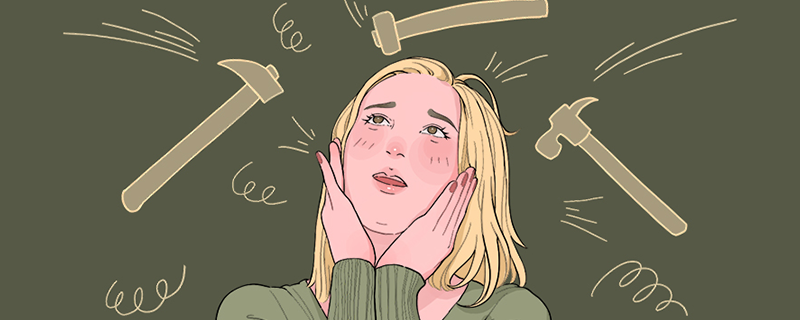
What to Do If Your Eyebrows Swell After Embroidery
1. Apply Chloramphenicol Eye Ointment for Inflammation
If inflammation occurs after eyebrow embroidery, chloramphenicol eye ointment should be applied first. Apply the ointment three times daily to the affected area. Use a sterile cotton swab—not your fingers—to apply the ointment, as hands carry numerous bacteria that could worsen the inflammation if directly contacting the inflamed area.
2. Take Anti-inflammatory Medication
Oral anti-inflammatory medication may be prescribed to help resolve inflammation. Should signs of inflammation appear post-embroidery, consult a healthcare professional promptly and take only the anti-inflammatory drugs prescribed by your physician—do not self-medicate with over-the-counter antibiotics.
3. Avoid Spicy Foods
During inflammation following eyebrow embroidery, maintain a light, bland diet. Strictly avoid spicy foods, as they can exacerbate inflammation.
4. Avoid Contact with Water
Do not allow the embroidered area to come into contact with water while inflammation persists. Water exposure may aggravate inflammation and impede healing.
Additional Information: Key Precautions After Eyebrow Embroidery
1. Allow Natural Exfoliation—Do Not Pick or Peel
Itching or mild scabbing may occur during the recovery phase. Never scratch or manually peel off scabs, as this may cause pigment loss or scarring. The epidermis will naturally form a scab and shed it within several days. Immediately after shedding, slight redness may appear on the surface but typically resolves within approximately one hour—this is normal and requires no concern.
2. Touch-Up Timing
Complete scab shedding generally takes about 5–7 days. If a touch-up is needed due to unsatisfactory pigment retention or appearance, it should be scheduled no sooner than 28 days after the initial procedure. This interval aligns with the natural epidermal turnover cycle. Premature touch-ups—before full healing—may result in bleeding and poor pigment absorption.
The above outlines appropriate measures to take if swelling or inflammation occurs after eyebrow embroidery. We hope this information proves helpful to you.