


What are uterine polyps?

Uterine polyps are a relatively common gynecological condition resulting from endometrial lesions caused by uterine inflammation, endocrine imbalance, postoperative infection, or pathogen infection. Patients with uterine polyps commonly experience irregular vaginal bleeding, intrauterine adhesions, and endometrial hyperplasia. Prompt surgical removal is recommended, as uterine polyps carry a potential risk of malignant transformation into endometrial cancer; therefore, assessment of polyp size is essential.
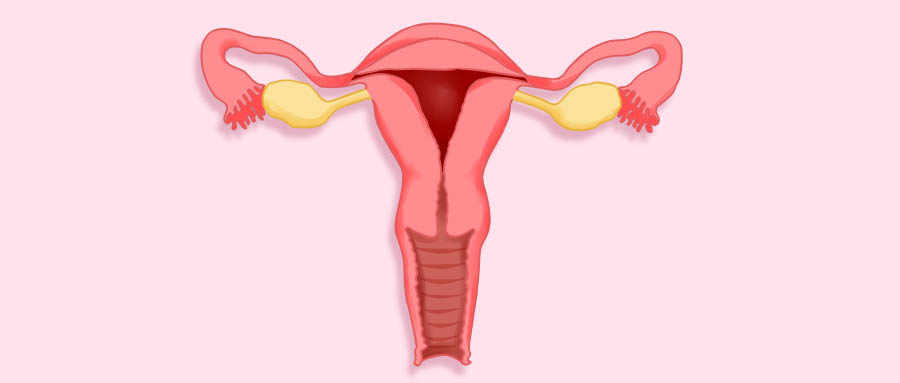
What Are Uterine Polyps?
(1) Uterine Inflammation
Some women suffer from chronic uterine inflammation—such as cervicitis or pelvic inflammatory disease—but may neglect treatment due to mild symptoms. Prolonged inflammatory stimulation, however, can cause excessive proliferation of cervical mucosa. If secretions accumulate within the uterus, the condition may worsen, ultimately leading to the formation of uterine polyps.
(2) Endocrine Imbalance
Endocrine imbalance is another contributing factor to uterine polyps. Elevated estrogen levels in women promote development of the uterus, fallopian tubes, and ovaries, and also stimulate endometrial proliferation—triggering menstruation. Concurrently, such hormonal excess may exacerbate endometrial thickening, potentially progressing to uterine polyps.
(3) Postoperative Infections
During induced abortion or childbirth, inadequate post-procedural care significantly increases infection risk. Additionally, surgical manipulation or mechanical trauma can injure the uterine wall; subsequent bacterial invasion may precipitate various gynecological infections, thereby promoting uterine polyp development.
(4) Pathogen Infection
Pathogen infection typically arises from cervical injury during childbirth, the puerperium, or following mechanical stimulation, allowing pathogens to invade and cause cervical polyps.
The above outlines the primary etiologies of uterine polyps. We hope this information is helpful to you.


