


Can baldness caused by kidney deficiency recover spontaneously?
Dec 27, 2021
Source: Cainiu Health

Dr. Li Ruizhi
Introduction
Androgenetic alopecia caused by kidney deficiency generally cannot resolve spontaneously. In Traditional Chinese Medicine (TCM), this type of balding is often attributed to insufficiency of kidney essence—resulting from constitutional weakness, aging and physical decline, excessive sexual activity, chronic overexertion, or prolonged illness—which leads to inadequate nourishment of the hair. From a Western medical perspective, potential contributing factors may include infection, physical or chemical irritation, nutritional status, certain medications, and endocrine disorders.
Kidney deficiency can be further categorized into kidney-yang deficiency and kidney-yin deficiency, both of which may lead to hair loss and balding. In daily clinical practice, kidney-yin deficiency is relatively more common. Male patients often present with symptoms such as erectile dysfunction, premature ejaculation, and nocturnal emissions. In such cases, we recommend a comprehensive therapeutic approach—for example, initially taking Wen Shen Su La Fu tablets for a period to regulate the body’s condition, followed—once baseline health has improved—by temporary adjunctive use of the Western medication dapoxetine hydrochloride. This combined strategy can effectively alleviate symptoms associated with kidney-yin deficiency, including premature ejaculation and nocturnal emissions. Can balding caused by kidney deficiency resolve spontaneously? The following section addresses this question.
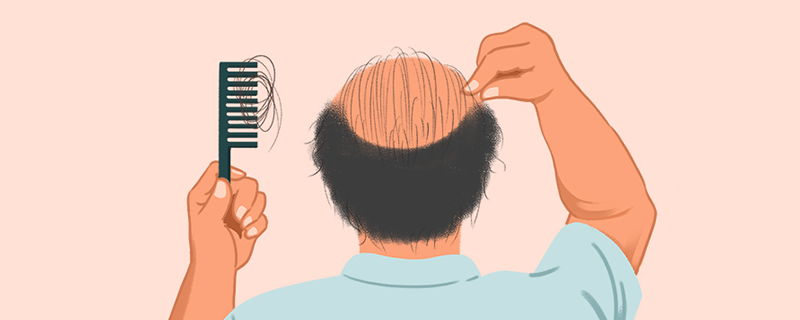
Can balding caused by kidney deficiency resolve spontaneously?
Balding resulting from kidney deficiency generally does not resolve spontaneously. Such balding typically arises from insufficient kidney essence due to constitutional weakness (e.g., congenital insufficiency), aging, excessive sexual activity, chronic overexertion, or prolonged illness—leading to inadequate nourishment of the hair. From a Western medical perspective, contributing factors may include infections, physical or chemical irritants, nutritional status, certain medications, and endocrine disorders. This type of hair loss may occur in various conditions, such as tinea capitis or seborrheic alopecia. We recommend seeking medical evaluation at a hospital for accurate diagnosis and appropriate treatment. Maintain emotional well-being and regular sleep-wake cycles. Diet should be light and nutritionally balanced; avoid greasy, spicy, or otherwise irritating foods. Take protective measures to minimize exposure to physical or chemical irritants, and abstain from smoking and alcohol consumption.
Knowledge Expansion: Causes of Balding
1. Kidney deficiency can cause balding, but not all cases of balding are attributable to kidney deficiency. In Traditional Chinese Medicine (TCM), kidney deficiency is subdivided into kidney-yang deficiency and kidney-yin deficiency. Patients with kidney-yin deficiency may exhibit balding, whereas those with kidney-yang deficiency typically do not. Balding caused by kidney-yin deficiency may be treated with TCM herbal formulas such as Liu Wei Di Huang Wan (Rehmannia Six Formula) or Yang Xue Sheng Fa Jiao Nang (Nourishing Blood and Promoting Hair Growth Capsules).
2. Other causes of balding include excessive sebum production—particularly on the scalp and face—which can clog hair follicles and impair nutrient absorption by the hair, ultimately leading to hair loss and balding.
3. Environmental factors also contribute to balding. Increasing stress levels, mental tension, depression, and other psychological stressors may disrupt nervous system function, reducing blood supply to hair follicles and thereby triggering hair loss. Additionally, chronic malnutrition, certain medications, and chemotherapy can induce balding.
The above outlines whether balding caused by kidney deficiency can resolve spontaneously. We hope this information proves helpful to you.



