


Complications of Orthodontic Treatment
Dec 28, 2021
Source: Cainiu Health
Dr. Fu Gang
Introduction
1. Tooth mobility: As teeth move, the surrounding tissues continuously shift and undergo remodeling.
2. Root resorption: Following root resorption, teeth become shorter, thereby increasing the likelihood of tooth mobility.
3. Alveolar bone damage: The alveolar bone may become reduced in height, leading to conditions such as gingival recession.
Dental orthodontics is a relatively common procedure in daily life, primarily aimed at correcting tooth misalignment. However, local anesthesia is typically required during orthodontic treatment to prevent pain during tooth movement. Additionally, orthodontic procedures may occasionally cause gingival injury. So, what are the potential complications of dental orthodontics? Below, we address this question.
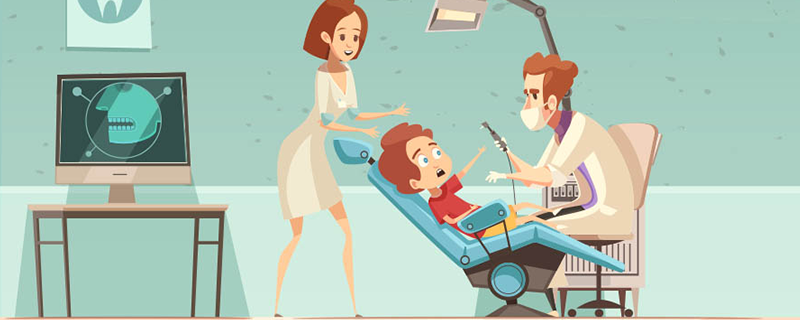
Complications of Dental Orthodontics
1. Tooth Mobility
Orthodontic treatment involves gradual tooth movement, during which the surrounding periodontal tissues continuously undergo remodeling and repositioning. Consequently, temporary tooth mobility is common during active treatment.
2. Root Resorption
Root resorption occurs more frequently in adult orthodontic patients. Once root resorption develops, teeth become shorter, thereby increasing the risk of tooth mobility.
3. Alveolar Bone Loss
During orthodontic tooth movement, associated changes occur in the periodontal tissues—including possible reduction in alveolar bone height—which may lead to gingival recession. Although regrettable, this phenomenon is often unavoidable.
4. Pulpal and Dental Pathology
Many patients develop non-vital (necrotic) teeth following orthodontic treatment. This results from excessive mechanical pressure applied to the teeth during correction, potentially damaging the dental pulp and leading to pulpal pathology.
Additional Information: Benefits of Orthodontic Treatment
1. Correction of Occlusion: Malaligned teeth lead to uneven occlusal forces, causing abnormal tooth wear and increasing susceptibility to tooth mobility and loss. Orthodontic treatment aligns teeth properly and restores balanced occlusion, thereby promoting long-term dental health.
2. Facial Aesthetic Improvement: Orthodontics can correct facial irregularities caused by malocclusion or dental crowding, restoring facial harmony and enhancing appearance.
3. Improvement of Other Oral Functions: Dental malformations may impair speech articulation and lip closure. Orthodontic correction effectively resolves these issues and may also alleviate oral mucosal dryness while enhancing resistance to oral infections.
4. Enhanced Periodontal Hygiene: Crowded or misaligned teeth are difficult to clean thoroughly, predisposing individuals to calculus accumulation, gingival inflammation, and other periodontal diseases. Orthodontic alignment facilitates effective oral hygiene, helping prevent both caries and periodontal disease.
The above outlines the potential complications associated with dental orthodontics. We hope this information is helpful to you.



