


Where does kidney stone pain occur?

Kidney stones, gallstones, and other types of calculi are now very common medical conditions. The most frequent sites of stone formation in the human body include the kidneys, gallbladder, eyes, and teeth. Depending on their location, stones may cause pain in the affected organ or in surrounding tissues; however, some stones remain asymptomatic—thus, clinical evaluation must always be individualized.
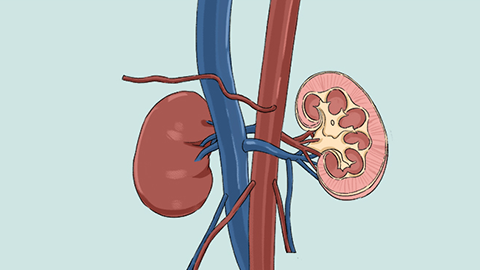
Where Do Stones Cause Pain?
Kidney stones: Pain typically occurs in the flank (lower back) and abdomen. Approximately half of patients with kidney stones experience such pain. Mild cases may present with dull, aching, or vague discomfort; severe cases often involve intense, colicky, intermittent pain. In extreme cases, patients may develop nausea, vomiting, pallor, profuse sweating, hypotension, and even signs of shock or collapse.
Gallstones: When a gallstone becomes lodged in the cystic duct or neck of the gallbladder, it causes acute obstruction, leading to increased intraluminal pressure and impaired bile drainage. This results in biliary colic—characterized by persistent right upper quadrant abdominal pain that intensifies intermittently and may radiate to the right shoulder or back. Nausea and vomiting commonly accompany this pain. In some patients, symptoms may spontaneously resolve within several hours.
Dental calculus (tartar): Dental calculus itself is usually asymptomatic and does not cause pain. Its primary manifestation is visible discoloration—such as yellow or brownish stains—on tooth surfaces.
“Calculi” is a general term encompassing various types of stones; specific symptoms depend entirely on the anatomical site involved and therefore cannot be generalized.
Stones typically arise from unhealthy lifestyle habits. Early detection and timely treatment are essential to prevent complications and secondary diseases. During treatment, patients should strictly follow their physician’s instructions—including taking prescribed medications regularly—reduce late-night activities, ensure adequate and restful sleep, avoid spicy or irritating foods, increase intake of light, healthy meals, limit screen time and other visually demanding tasks, allow sufficient rest for the eyes, eliminate unhealthy habits, and thereby enhance overall health and quality of life.
We hope the above information is helpful to you. Wishing you a happy and healthy life!


