


What should I do if my child has a fever of 39°C?

Fever is one of the body’s natural defense mechanisms against viral or inflammatory infections. For children, a temperature of 39°C (102.2°F) constitutes a high fever and warrants prompt intervention; otherwise, serious complications may arise. So what should you do if your child develops a fever of 39°C? Below, we address this question.

What to Do When a Child Has a Fever of 39°C
1. Administer Antipyretic Medication
If a child’s axillary temperature exceeds 38.2°C (100.8°F), oral antipyretics such as ibuprofen or acetaminophen are generally appropriate. In most cases, body temperature begins to decline within 30 minutes to one hour after administration. However, if high fever (≥39°C) persists despite medication, prompt medical evaluation is essential.
2. Ensure Adequate Ventilation and Cooling
Maintain good air circulation in the room. Dress the child in loose-fitting clothing and avoid wrapping them tightly in blankets. During summer, air conditioning may be used, with room temperature maintained at approximately 27°C (80.6°F).
3. Sponge Bath with Lukewarm Water
Using a towel dampened with lukewarm water (temperature comfortable to the touch), gently wipe the child’s neck, armpits, and groin areas for 5–10 minutes. Alternatively, apply a commercially available cooling patch—or a household ice pack—over the forehead to assist in heat dissipation.
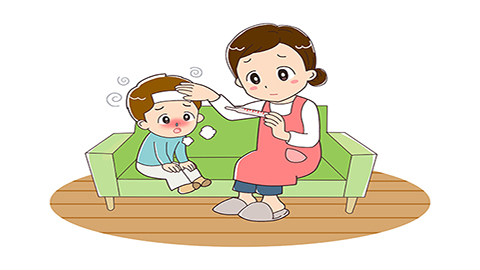
4. Ensure Sufficient Rest and Sleep
Encourage ample rest and uninterrupted sleep, as adequate rest supports recovery. However, for infants and toddlers under three years of age with high fever, physical cooling methods are preferred; antipyretic injections or oral medications should generally be avoided to prevent potential adverse effects such as collapse or drug-induced toxicity.
5. Increase Fluid Intake
During fever, ensure the child drinks plenty of warm water; adding a small amount of salt to create a mild saline solution is beneficial. Avoid cold water entirely, as it may exacerbate the child’s condition.

The above outlines key measures to take when a child develops a 39°C fever. If fever persists or worsens despite these interventions, immediate medical attention is advised. We hope this information proves helpful.


