


Symptoms of Trichomonas Vaginitis

Trichomoniasis vaginitis is a relatively common gynecological condition. Clinical manifestations include vaginal mucosal congestion and edema, increased vaginal discharge, elevated vaginal pH, pruritus vulvae, and complications such as infertility or ectopic pregnancy. Therefore, patients diagnosed with trichomoniasis vaginitis require prompt treatment. Moreover, maintaining proper vaginal hygiene post-treatment is essential to prevent recurrence. Below, we detail the characteristic clinical manifestations of trichomoniasis vaginitis.
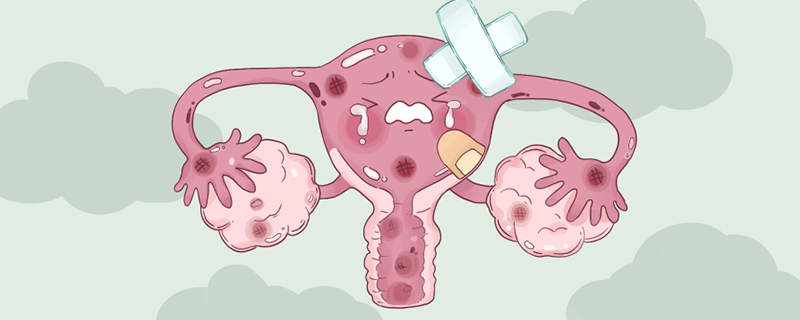
Clinical Manifestations of Trichomoniasis Vaginitis
1. Vaginal Mucosal Congestion and Edema
Trichomoniasis vaginitis may present with vaginal mucosal congestion and edema, often accompanied by scattered erythematous spots or strawberry-like red papules—termed “strawberry vagina.” A large amount of yellow, purulent, frothy vaginal discharge commonly accumulates in the posterior vaginal fornix. Cervical congestion may also occur, and some patients with vaginitis may exhibit similar strawberry-like papules.
2. Increased Vaginal Discharge
During the acute phase of trichomoniasis vaginitis, vaginal discharge may be so profuse that it saturates undergarments, necessitating frequent use of sanitary pads. The discharge is typically yellow-green, purulent, thin in consistency, and emits a distinctive foul odor. Patients may display excoriations on the vulva due to scratching; the labia minora and vaginal introitus often show signs of congestion and edema. Due to the copious discharge, thin, purulent secretions are frequently observed draining from the vaginal opening—another hallmark symptom of trichomoniasis vaginitis.
3. Infertility or Ectopic Pregnancy
If left untreated, trichomoniasis vaginitis may progress to chronic inflammation, potentially leading to infertility or ectopic pregnancy in some women.
4. Altered Vaginal pH
Trichomonas vaginalis consumes glycogen within vaginal epithelial cells, thereby elevating vaginal pH and inhibiting the growth of protective lactobacilli. This disruption predisposes patients to secondary bacterial infections, often accompanied by a foul odor.
5. Pruritus Vulvae
Pruritus vulvae is a symptom associated with various pathological conditions affecting the vulva—but may also occur in individuals with otherwise normal vulvar anatomy. It is most commonly observed in middle-aged women. When severe, itching can cause significant discomfort, impairing daily activities and work performance. In cases of vulvovaginal inflammation—including trichomoniasis vaginitis—patients often experience localized burning sensations and pruritus.
The above outlines the key clinical manifestations of trichomoniasis vaginitis. We hope this information proves helpful.


