


Is acid reflux and heartburn a precursor to gastric cancer?

Occasional heartburn or acid reflux in daily life is generally not a cause for excessive concern, as it is often linked to dietary habits. However, if such symptoms occur frequently, it warrants attention—prompt medical evaluation, including gastroscopy and other relevant tests, is advisable. Recurrent heartburn and acid reflux are commonly associated with gastric disorders, such as erosive gastritis. Chronic inflammatory conditions like these may increase the risk of developing malignancies. So, is heartburn or acid reflux a precursor to gastric cancer? Let’s explore this further.
Is Heartburn or Acid Reflux a Precursor to Gastric Cancer?
Heartburn typically refers to a burning sensation beneath the lower sternum—the area commonly known as the “epigastric region” or “pit of the stomach.” This sensation feels like a flame burning inside the chest. It primarily results from gastric contents refluxing into the esophagus. The stomach secretes hydrochloric acid, rendering its contents highly acidic, whereas the esophagus maintains an alkaline environment. When acidic gastric contents enter the esophagus, they irritate and erode the esophageal mucosa—producing the characteristic burning sensation we call “heartburn.”
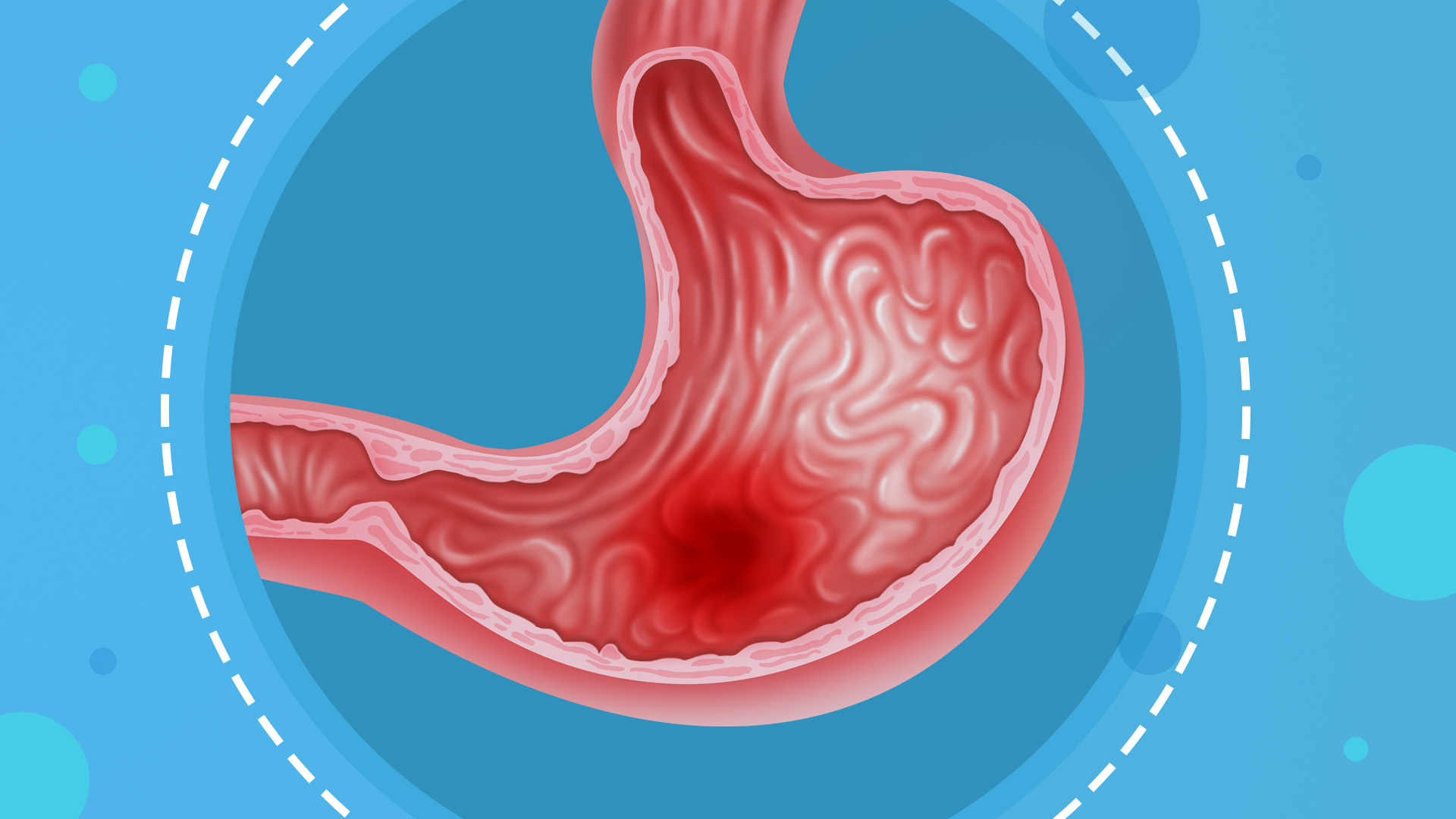
Two Common Causes of Heartburn:
First, overeating can overwhelm the stomach’s capacity, causing gastric contents to reflux into the esophagus and trigger heartburn.
Second, frequent consumption of sweet, spicy, or otherwise irritating foods may stimulate excessive gastric acid secretion. Excess acid not only damages the gastric mucosa but—when refluxed into the esophagus—also erodes the esophageal lining. Thus, individuals experiencing persistent heartburn and acid reflux are at risk not only for gastric pathology but also for esophageal inflammation.
Diagnostic Methods for Gastric Cancer
1. CT Imaging: In early gastric cancer, air-barium double-contrast radiography and fiberoptic endoscopy are commonly used alongside CT to assess characteristic imaging findings. Dynamic CT scanning can reveal multilayered gastric wall architecture and disruption of the mucosal layer—aiding in the diagnosis of early-stage gastric cancer. Endoscopy (gastroscopy) remains the most widely used and definitive diagnostic tool for gastric cancer.
2. Ultrasound (B-mode): Ultrasound helps evaluate tumor spread and metastasis in gastric cancer patients. For instance: – In infiltrative gastric cancer, tumor growth along the gastric wall commonly invades all layers, resulting in gastric wall thickening, loss of normal layered architecture, and a coarse mucosal surface. – In exophytic (polypoid) gastric cancer, the tumor protrudes from the gastric wall into the lumen, presenting an irregular, cauliflower-like surface. – In ulcerative gastric cancer, the lesion surface often shows necrotic debris or hemorrhage, yielding strong echogenicity; tumors frequently invade the muscularis propria, forming large, shallow, plate-like ulcers with a raised, embankment-like margin surrounding a central depression—often accompanied by acoustic shadowing (“echo dropout”). – In diffusely infiltrative gastric cancer, tumor infiltration involves multiple layers of the gastric wall, leading to localized or diffuse gastric wall thickening with indistinct borders.
The above provides an overview of whether heartburn or acid reflux may signal a precancerous condition for gastric cancer. We hope this information proves helpful.


