


What to Do When a Child Has a Fever

Fever is merely a symptom—not a disease itself. Because children’s immune systems are relatively immature, fever is a common and normal occurrence in young children. Even minor lapses in daily care can trigger a febrile episode. However, it is crucial not to manage fever blindly; inappropriate interventions may impair the child’s immune system or cause other harm—rendering any perceived benefit counterproductive. Below, we provide detailed guidance on how to manage fever in children.
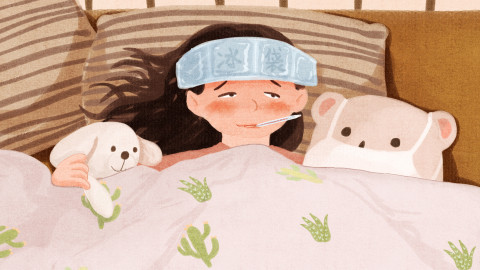
How to Manage Fever in Children
1. Warm Water Bath
If the child’s fever is mild—with body temperature not exceeding 38°C—antipyretic medications are generally unnecessary. Instead, physical cooling methods such as a warm water bath may be used to help reduce body temperature.
2. Administer Antipyretic Medication
When a child’s temperature rises above 38.5°C, prompt medical consultation is recommended. Under a physician’s guidance, appropriate antipyretics may be administered. Caution must be exercised: avoid combining multiple antipyretics simultaneously; do not exceed four doses within 24 hours; maintain a minimum interval of four hours between doses. Closely monitor the child for adverse reactions (e.g., allergic responses) following medication administration, and seek immediate medical attention if such reactions occur.

3. Increase Fluid Intake
During fever, the body loses water through sweating to dissipate heat. However, during high-grade fever, excessive fluid loss may trigger compensatory mechanisms—including sweat gland suppression—to conserve water. This impairs thermoregulation. Therefore, adequate hydration is essential: encourage frequent intake of water or fresh fruit and vegetable juices to support metabolic function and prevent dehydration.
4. Ensure Sufficient Rest and Sleep
Adequate rest and uninterrupted sleep significantly aid recovery. For infants and toddlers under three years of age with high fever, physical cooling methods are preferred. Intramuscular antipyretic injections and oral antipyretics should generally be avoided to prevent complications such as shock or drug-induced toxicity.
5. Enhance Ventilation and Heat Dissipation
Maintain good indoor ventilation to promote air circulation and lower ambient temperature. Dress the child in loose, lightweight clothing; avoid bundling with heavy blankets or quilts. During summer, air conditioning may be used—ideally maintaining room temperature around 27°C.

The above outlines comprehensive, evidence-informed strategies for managing childhood fever. When your child develops a fever, first assess its severity: for low-grade fever (~38°C), physical cooling alone is usually sufficient; however, temperatures exceeding 38.5°C—especially reaching 40°C—constitute high fever and warrant prompt medical evaluation.


