


What should I do about neurovascular headache?

Neurovascular headache—also known as neuralgic headache—is primarily triggered by emotional upset (e.g., anger) or mental stress. Once it occurs, the pain can become unbearable for many individuals. Consequently, numerous people seek effective, evidence-based approaches to alleviate symptoms. A comprehensive strategy is recommended, beginning with simple interventions such as cold compress application or gentle massage. If these initial measures prove ineffective, the following additional methods should not be overlooked.
How to Manage Neurovascular Headache
1. Cold Compress
Place ice cubes in an ice pack or wrap them in a towel, then apply the cold pack to the painful area of the head. As the cooled blood vessels constrict, headache symptoms typically subside.
2. Rest Supine in a Quiet, Dimly Lit Room
If possible, during a migraine attack, rest quietly in a dimly lit, quiet room. Generally, sleeping for about 30 minutes helps significantly reduce headache intensity.
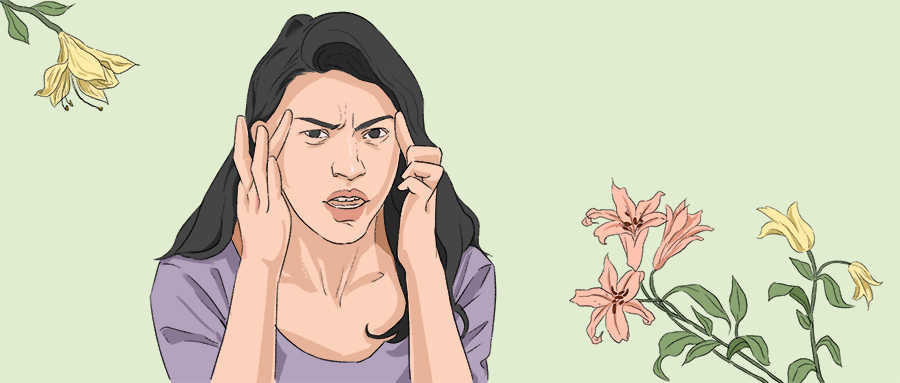
3. Head Massage
Moderate-pressure massage of the head is an effective method for relieving migraine symptoms. The temples are key acupressure points for migraine relief; gently press them using your index fingers, or use your fists to perform light, circular motions from the temples up toward the hairline.
4. Drink Green Tea
Drinking green tea may help alleviate migraine symptoms, as certain bioactive compounds in green tea possess analgesic and anti-inflammatory properties. Moderate consumption of green tea may therefore help mitigate severe migraine attacks.
5. Mindful Meditation
Yoga and meditation represent emerging non-pharmacologic approaches for migraine management. Consider purchasing a guided meditation CD and, during an attack, close your eyes and meditate while listening to soothing music—allowing harmonious natural sounds to distract you from pain.
6. Apply a Tight but Comfortable Bandage Around the Head
Though it may appear unusual, this technique is indeed effective for migraine relief. During an attack, wrap a towel or soft cloth snugly—but comfortably—around the temples. This gentle compression helps inhibit vasodilation and thereby reduces pain.
Numerous factors can trigger headaches; thus, patients must avoid self-medicating indiscriminately. Accurate diagnosis by a healthcare professional is essential before initiating any treatment. Only under medical supervision can appropriate medications be prescribed to achieve optimal therapeutic outcomes.
The above outlines practical strategies for managing neurovascular headache. We hope this information proves helpful to you.


