


Is it necessary to get the hepatitis A vaccine?

Hepatitis A, commonly referred to as “hepatitis A” or “HAV,” is an infectious disease caused by the hepatitis A virus (HAV), primarily characterized by inflammatory lesions of the liver. So, is it necessary to receive the hepatitis A vaccine? Let’s explore this together.
Is the Hepatitis A Vaccine Necessary?
The hepatitis A vaccine is a preventive measure against hepatitis A. Whether vaccination is necessary depends on individual circumstances. Infants and young children who have already received the hepatitis A vaccine do not require repeat vaccination. However, adults who have never been vaccinated against hepatitis A—and who are in close contact with hepatitis A patients—should ideally receive the vaccine. Vaccination stimulates the body to produce hepatitis A antibodies; once these antibodies are present, the individual becomes immune to HAV infection, thereby achieving effective protection.
Individuals who have previously contracted hepatitis A do not need to be vaccinated, as they already possess naturally acquired hepatitis A antibodies and thus immunity against reinfection. Consequently, even if such individuals have close contact with hepatitis A patients, vaccination remains unnecessary.
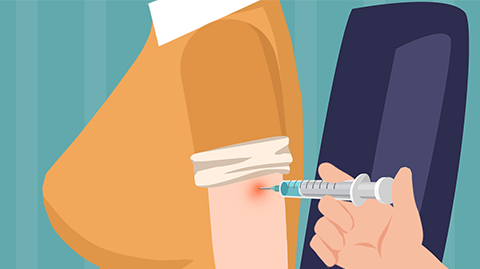
According to China’s national immunization program, the hepatitis A vaccine is included in the routine childhood vaccination schedule. It represents the most effective means of preventing hepatitis A virus transmission and is a mandatory vaccine for children under the national immunization program, effectively safeguarding children’s health and preventing hepatitis A infection.
How Is Hepatitis A Transmitted?
Hepatitis A is a communicable disease transmitted predominantly via the fecal-oral route—primarily through the digestive tract. Therefore, during natural disasters, rigorous disinfection measures must be implemented to prevent outbreaks of hepatitis A.
1. Maintain good personal hygiene: wash hands thoroughly before meals and after using the toilet. Thoroughly wash raw fruits and vegetables—preferably soaking them in clean water first—to remove pesticide residues and ensure food safety.
2. Avoid consuming leftover food; aim to prepare and consume meals fresh each time.
3. Consume more fresh vegetables—such as Chinese cabbage, spinach, and chicory—which promote regular bowel movements and support gastrointestinal health.
The above provides an overview of whether hepatitis A vaccination is necessary. We hope this information proves helpful to you.


