


Can Traditional Chinese Medicine (TCM) treat hepatitis B?

Hepatitis B is a common infectious disease. In China, the prevalence of hepatitis B virus (HBV) infection is high, posing significant health risks to affected individuals. During active hepatitis B episodes, HBV DNA replication intensifies, further damaging liver function and potentially leading to cirrhosis or even hepatocellular carcinoma. So, can traditional Chinese medicine (TCM) treat hepatitis B? Let’s explore this question below.
Can Traditional Chinese Medicine Treat Hepatitis B?
TCM can be used in the management of hepatitis B—for instance, through syndrome differentiation and treatment, or with proprietary Chinese medicines such as Yiganling Capsules or Liuwei Wuling Tablets. However, it is crucial to understand that TCM primarily serves protective functions for the liver—such as lowering elevated transaminase levels, reducing jaundice, and modulating immune function. To date, no TCM preparation has demonstrated definitive anti-HBV antiviral activity. Therefore, while TCM may be considered as an adjunctive therapy for hepatitis B, patients meeting clinical criteria for antiviral therapy must undergo prompt and appropriate antiviral treatment, which remains the cornerstone of hepatitis B management.
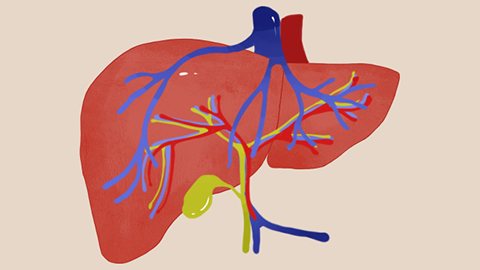
Currently available antiviral agents include entecavir, tenofovir, and interferon. Drug selection and treatment duration should be individualized based on the patient’s clinical condition. Importantly, certain medications—including entecavir and tenofovir—must not be discontinued arbitrarily, as abrupt cessation may trigger severe hepatitis flares.
The above information is for reference only. Specific medication use should be guided by a qualified healthcare professional according to individual circumstances.
How Is Hepatitis B Transmitted?
Mother-to-child transmission is the most important route of HBV spread. Mothers serve as the central source of familial clustering. In China, approximately 30–50% of hepatitis B cases result from perinatal transmission. Moreover, over 90% of adult cases of cirrhosis and hepatocellular carcinoma stem from HBV infection acquired during infancy or early childhood.
Iatrogenic transmission occurs when inadequately sterilized, repeatedly used medical instruments contaminated with HBV are employed during clinical procedures—such as surgery, dental treatments, blood collection, acupuncture, or endoscopy.
We hope the above information is helpful to you.


