


How is a craze line in the front teeth treated?

Dental craze lines—also known as incomplete tooth fractures or microfractures—are non-physiological, fine cracks on the crown surface that are often difficult to detect and commonly occur in incisors and first molars. So, how is a craze line in an anterior (front) tooth treated? Let’s explore this together.
How Is a Craze Line in an Anterior Tooth Treated?
Treatment of dental craze lines generally follows several key approaches: (1) Occlusal adjustment—to balance occlusal forces across the entire dentition and concurrently address other existing dental issues; (2) Symptomatic treatment of the affected tooth—promptly repairing the craze line using restorative techniques; and (3) Full-coverage crown restoration—to prevent further fracture or splitting of the tooth.
Craze lines primarily arise from the following factors: First, structural weaknesses in the tooth—such as developmental grooves or enamel hypoplasia—represent predisposing sites for craze lines. These areas not only possess inherently low resistance to cracking but also serve as stress concentration points during normal masticatory function—for example, when unexpectedly biting down on a hard object. Second, greater cusp inclination increases horizontal force components during occlusion, thereby raising the risk of craze line formation. Third, mechanical trauma resulting from abnormal occlusal forces can directly induce craze lines.
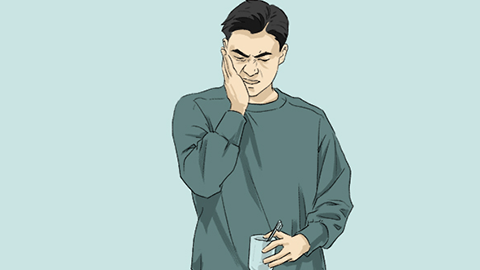
Craze lines typically align with specific fissures on the occlusal surface and extend toward one or both marginal ridges. Superficial craze lines may be asymptomatic, whereas deeper ones often cause sensitivity to thermal stimuli (cold or heat) or discomfort during chewing. When a craze line extends into the deep dentin, chronic pulpitis frequently develops; in some cases, it may acutely exacerbate, causing localized, severe pain upon biting.
If the pulp tissue becomes involved, pulpitis may ensue, necessitating root canal therapy to fully resolve the inflammation. Regarding dietary habits, patients should avoid hard foods and minimize chewing forces applied to the affected tooth.
We hope the above information is helpful to you.


