


Symptoms and Treatment of Vasculitis
“Vasculitis” commonly refers to thromboangiitis obliterans (TAO). TAO is a rare, chronic, and relapsing segmental inflammatory disease affecting medium- and small-sized arteries and veins, most frequently involving the lower limbs. So, what are the symptoms and treatment options for vasculitis? Let’s explore them below.
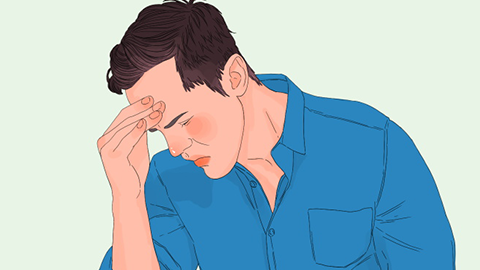
Symptoms and Treatment of Vasculitis
In the early stage, symptoms of vasculitis typically include numbness, coldness, cold intolerance, aching discomfort, and mild intermittent claudication in the affected limb. Pain usually subsides with rest. Skin temperature may be slightly reduced, and peripheral pulses may be weakened.
In the intermediate stage, numbness, coldness, and cold intolerance worsen, and intermittent claudication becomes more pronounced—sometimes progressing to rest pain. The skin appears increasingly pale, and may develop purpuric spots, erythema, dryness, loss of vellus hair, and atrophy of the calf muscles.
In the advanced stage, ischemic symptoms progressively intensify, with severe, persistent rest pain unrelieved by rest. Ulceration and gangrene may develop, potentially leading to infection and posing significant health risks.
Treatment of vasculitis generally involves maintaining warmth and administering medications to improve circulation—such as papaverine, niacin, and tolazoline—as well as antiplatelet agents, primarily aspirin. Low-molecular-weight dextran may also be used to enhance microcirculation. In severe cases, surgical intervention may be considered.
We hope this information is helpful to you.


