


Are the early symptoms of gallstones obvious?
Jan 27, 2022
Source: Cainiu Health

Dr. Zhang Junfeng
Introduction
Early symptoms of gallstones are relatively prominent. As a common hepatobiliary disorder, gallstones often cause upper abdominal discomfort—such as abdominal pain—in the early stages of the disease. Following the formation of gallstones, patients commonly experience distinct symptoms, with the most frequent being colicky (spasmodic) pain in the upper abdomen.
Gallstones, also known as cholelithiasis, refer to the formation of stones within the biliary tract—including the gallbladder or bile ducts. Biliary tract infections are common conditions, classified by anatomical location into cholecystitis (inflammation of the gallbladder) and cholangitis (inflammation of the bile ducts). But are early symptoms of gallstones readily apparent? The following addresses this question.
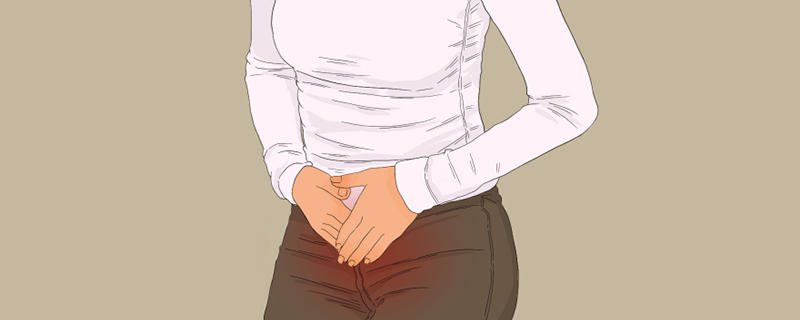
Are early symptoms of gallstones obvious?
Yes, early symptoms of gallstones are often quite noticeable. As a relatively common hepatobiliary disorder, gallstones frequently present in the early stage with upper abdominal discomfort—most commonly abdominal pain.
After gallstone formation, patients typically develop distinct symptoms. Among these, spasmodic upper abdominal pain is especially common and often worsens significantly after consuming fatty foods. Patients frequently experience radiating pain localized to the right side of the chest. Prompt medical evaluation is essential. In severe cases, surgical removal of the gallbladder (cholecystectomy) may be recommended. Postoperatively, probiotics may be prescribed to support intestinal health. Larger gallstones often cause dull, persistent discomfort or fullness in the upper or right upper abdomen, accompanied by belching, loss of appetite, nausea, and vomiting—symptoms typical of gastrointestinal dysfunction. Smaller stones may trigger biliary colic when they obstruct the cystic duct, particularly after ingestion of fatty meals.
The clinical presentation of gallstones largely depends on stone size and location. If left uncontrolled or untreated over time, gallstones can chronically irritate the gallbladder wall and potentially increase the risk of gallbladder cancer. Therefore, timely medical evaluation and appropriate treatment are crucial.
The above outlines whether early symptoms of gallstones are readily apparent. We hope this information is helpful to you.


