


How is periapical periodontitis treated?

Acute or chronic inflammation of the periapical tissues—i.e., the tissues surrounding the root apex—is termed periapical periodontitis. Affected teeth typically cause spontaneous, persistent pain that is localized in nature. So, how is periapical periodontitis treated? Let’s explore this together.
How Is Periapical Periodontitis Treated?
If root canal treatment is indicated for periapical periodontitis, the first step is to perform pulp chamber access and drainage, followed by placement of camphorated phenol (CP) medication to achieve analgesia. In most cases, pain is effectively controlled within one to two days. The patient then returns for a follow-up visit, during which root canal cleaning is performed. This involves further root canal instrumentation, preparation, irrigation, and subsequent medicament application with temporary sealing. A second follow-up visit is scheduled approximately seven to eight days later for re-medication.
Generally, if no obvious exudate is present within the root canal, no foul odor is detected, and the tooth exhibits no significant pain response, medicament changes may be discontinued and root canal obturation performed to complete the root canal treatment.
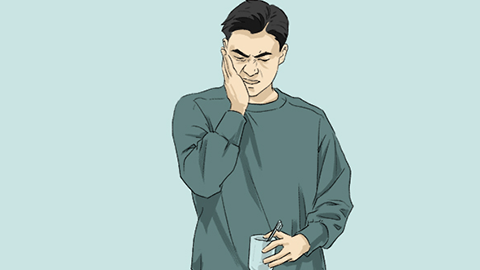
What Are the Symptoms of Periapical Periodontitis?
1. Acute serous periapical periodontitis: Primary symptoms include tenderness upon biting. The affected tooth may exhibit caries, restorations, or other hard-tissue dental pathology; discoloration of the crown may occur, and the tooth may feel slightly loose. Radiographic examination typically reveals no obvious abnormalities.
2. Acute suppurative periapical periodontitis: Patients experience spontaneous, severe, throbbing pain; a sensation of tooth elongation intensifies; biting causes marked discomfort; and regional lymphadenopathy—particularly involving the submandibular lymph nodes—may develop.
3. Chronic periapical periodontitis: Often asymptomatic, though some patients may report mild discomfort during mastication. Chronic periapical periodontitis develops insidiously and can be further classified into periapical granuloma, chronic periapical abscess, periapical cyst, and periapical sclerosing osteitis.
We hope the above information is helpful to you.


