


What Are the Common Anti-Asthmatic Medications for Children?

Winter has arrived—the season when coughs and asthma flare up most frequently. When encountering such patients, how should medications be selected? What are the available antitussive and anti-asthmatic drugs? There’s no need to rush—this article presents six easy-to-remember mnemonics to help you master antitussive and anti-asthmatic pharmacotherapy!
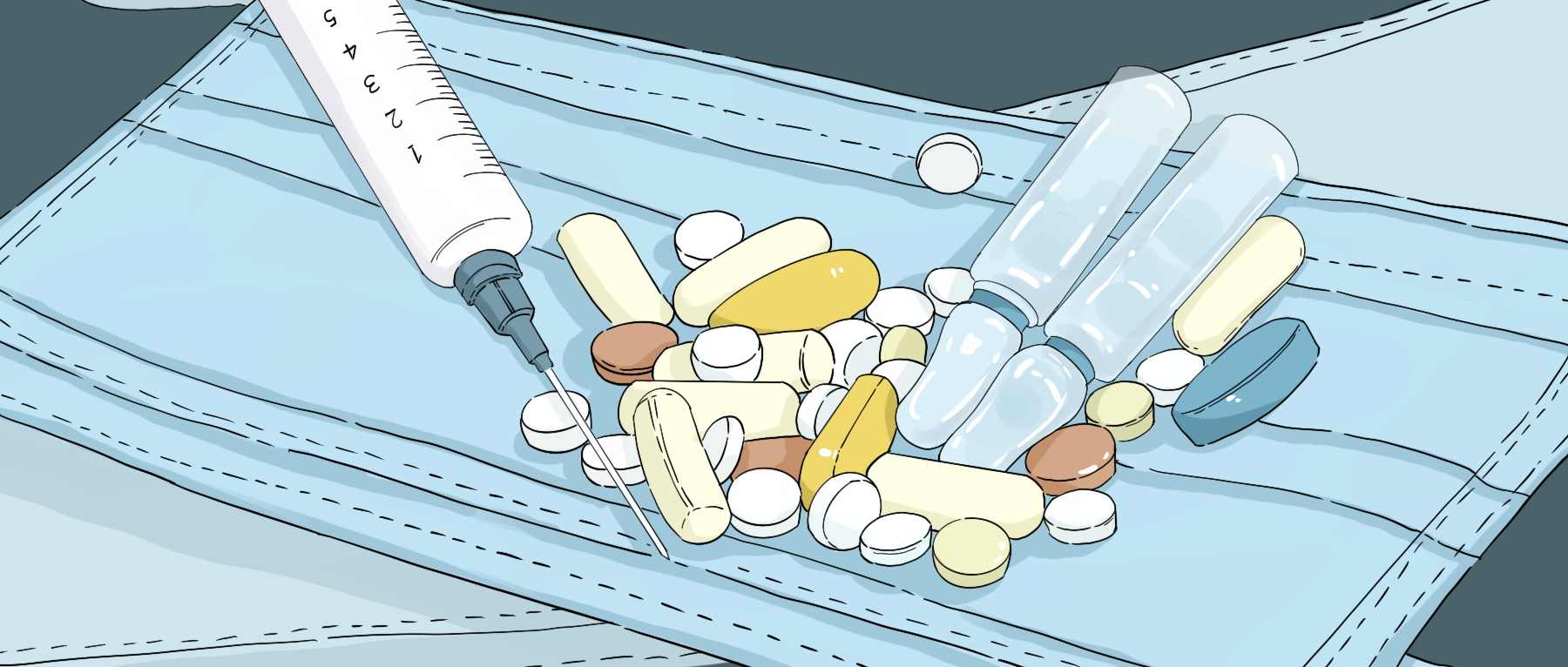
What Are the Common Anti-Asthmatic Drugs for Children?
Anti-asthmatic drugs for children fall primarily into five categories: β₂-adrenergic agonists, anticholinergic agents (M-receptor antagonists), leukotriene receptor antagonists, corticosteroids, and traditional Chinese medicine (TCM) preparations.
1. β₂-Adrenergic Agonists: These bind to β₂-receptors on bronchial epithelial cells, resulting in bronchial smooth muscle relaxation. Common examples include albuterol (salbutamol) inhalers and terbutaline inhalers.
2. Anticholinergic Agents (M-Receptor Antagonists): By blocking M-cholinergic receptors, these agents reduce vagal nerve activity and induce bronchodilation. Frequently used agents include tiotropium bromide tablets and ipratropium bromide tablets.
3. Leukotriene Receptor Antagonists: These also exert anti-asthmatic effects. Key agents include montelukast sodium tablets and cetirizine hydrochloride tablets.
4. Corticosteroids: These provide potent anti-inflammatory and bronchodilatory effects. Commonly prescribed agents include budesonide inhalers and methylprednisolone inhalers.
5. Traditional Chinese Medicine (TCM) Preparations: Examples include Feili Ke Heji (Lung-Strengthening Cough-Relieving Decoction), Chuanbei Pipa Syrup, and Xiao’er Zhike Chongji (Pediatric Cough-Relieving Granules).
Regardless of which anti-asthmatic drug is selected for pediatric use, a comprehensive clinical evaluation—including diagnostic testing—is essential prior to initiating therapy. All medications must be administered under physician supervision, with strict adherence to appropriate indications and dosing regimens. Self-medication or inappropriate use of anti-asthmatic drugs must be avoided, as it may compromise therapeutic efficacy.
Pentoxyverine is a centrally acting, non-narcotic, synthetic antitussive agent. It exhibits mild atropine-like and local anesthetic effects. After absorption, it slightly suppresses bronchial sensory receptors and attenuates the cough reflex. Additionally, it relaxes bronchial smooth muscle spasm and reduces airway resistance—conferring peripheral antitussive activity as well.
We hope this information proves helpful. Wishing you good health and happiness!


