


Can oral leukoplakia resolve spontaneously?

Oral leukoplakia generally refers to the condition known as oral leukoplakia. It is a common, non-contagious, chronic disorder characterized by white or grayish-white, keratotic, plaque-like lesions occurring exclusively on the oral mucosa. So, can oral leukoplakia resolve spontaneously? Below, we address this question.
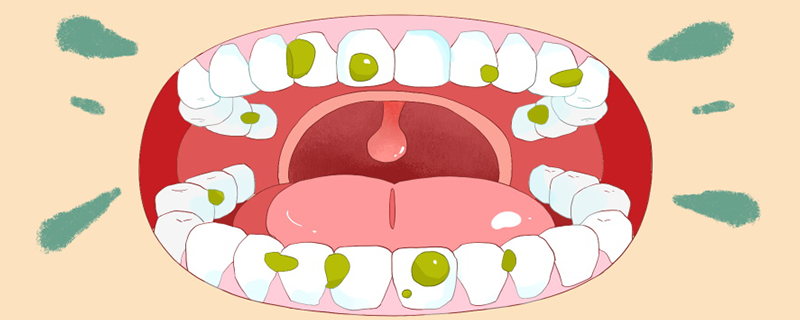
Can oral leukoplakia resolve spontaneously?
The likelihood of spontaneous resolution of oral mucosal leukoplakia is low. This condition is considered a precancerous lesion, typically triggered by physical or chemical irritants—or localized fungal infection—leading to a leukoplakia-like change in the oral mucosa. Primary treatment involves eliminating potential causative factors: smoking and alcohol consumption must be discontinued, ill-fitting dental prostheses removed, and topical medications applied as needed. In certain cases, surgical excision with biopsy may be necessary. Without intervention, oral leukoplakia usually progresses and rarely resolves spontaneously; it may even undergo malignant transformation, posing serious risks to health. Patients experiencing significant pain, ulceration, or lesion enlargement should seek prompt medical evaluation and treatment.
Knowledge Extension: Key Considerations for Patients with Oral Leukoplakia
1. Patients with oral leukoplakia should pay close attention to their diet. Avoid coarse, high-fiber, or highly irritating foods, which may exacerbate inflammation or trigger secondary infection and worsen the condition.
2. All contributing irritants must be eliminated—especially tobacco and alcohol. Patients may apply cod liver oil topically to affected areas, but gentle application is essential. If the condition persists without improvement over time, early surgical intervention should be considered.
3. Consuming foods rich in beta-carotene—such as carrots and tomatoes—is beneficial. Since oral leukoplakia may be associated with reduced immune function, patients are encouraged to engage in regular physical activity to strengthen overall immunity.
The above outlines whether oral leukoplakia can resolve spontaneously. We hope this information is helpful to you.


