


Health Benefits and Effects of Oatmeal

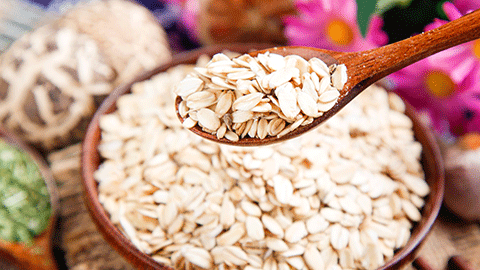
Oatmeal is a healthy food ingredient high in dietary fiber and low in calories, commonly consumed as breakfast. It boasts rich nutritional value—helping control body weight and manage “three highs” (hypertension, hyperglycemia, and hyperlipidemia), thereby significantly benefiting overall health. So, what are the health benefits and effects of oatmeal? Below, we address this question.

Health Benefits and Effects of Oatmeal
1. Diabetes Prevention
Consuming a bowl of high-fiber oatmeal helps prevent type 2 diabetes and other health issues. Research indicates that individuals eating high-fiber oatmeal experience significantly lower blood glucose levels compared to those consuming low-fiber varieties. Moreover, men with hyperinsulinemia who consume high-fiber oatmeal show markedly reduced insulin production.
2. Weight Management
Oatmeal is rich in dietary fiber, which absorbs water and swells upon ingestion, enhancing satiety and reducing hunger—making it an excellent food choice for weight loss.
3. Constipation Prevention
As a high-fiber, low-calorie food, oatmeal promotes intestinal motility, shortens gastrointestinal transit time, and supports metabolism and digestion—effectively reducing bowel movement time and preventing constipation.
4. Immune and Physical Strength Enhancement
Oatmeal contains abundant plant-based protein and substantial soluble fiber, facilitating absorption of various beneficial minerals. This promotes metabolic function, enhances organ performance, alleviates physical weakness, and improves overall physical fitness.
5. Anti-Aging Effects
Oatmeal is rich in antioxidants—including phenolic acids, flavonoids, and vitamin E—which neutralize free radicals and minimize their damaging effects on skin cells, thereby maintaining skin elasticity and radiance.

The above outlines the key health benefits and effects of oatmeal. However, individuals with gastric ulcers or gastric bleeding should avoid consuming oatmeal. We hope this information proves helpful.


