


What should I do if my menstrual flow is very heavy for three consecutive days?
Feb 22, 2022
Source: Cainiu Health

Dr. Lv Aiming
Introduction
Heavy menstrual bleeding lasting for three consecutive days may be associated with factors such as endocrine disorders, endometritis, or uterine fibroids. Patients should receive treatment—such as medications or surgery—under the guidance of a physician. Endometritis is an inflammatory condition of the endometrium caused by pathogen infection; its clinical manifestations include lower abdominal pain, increased vaginal discharge, a sensation of pelvic heaviness or pressure, menorrhagia (excessively heavy menstrual bleeding), and prolonged menstruation.
Generally, abnormally heavy menstrual bleeding for three consecutive days may be associated with conditions such as endocrine disorders, endometritis, or uterine fibroids. Patients should seek treatment—including medications or surgery—under the guidance of a healthcare provider. A detailed analysis follows:

1. Endocrine Disorder
An endocrine disorder refers to abnormal hormone secretion by certain endocrine glands or cells—either excessive, insufficient, or absent—resulting in hormonal imbalance. This imbalance may manifest clinically as abnormally heavy menstrual bleeding for three consecutive days. Under medical supervision, treatment options may include medications such as medroxyprogesterone acetate, estradiol valerate, and progesterone.
2. Endometritis
Endometritis is an inflammatory condition of the endometrium caused by pathogen infection. Clinical manifestations may include lower abdominal pain, increased vaginal discharge, a sensation of pelvic heaviness or pressure, menorrhagia (excessively heavy menstrual bleeding), and prolonged menstruation. Antibiotics—administered orally or via injection—may be prescribed under medical guidance; examples include cefalexin capsules, metronidazole tablets, sodium penicillin for injection, and ceftriaxone sodium for injection.
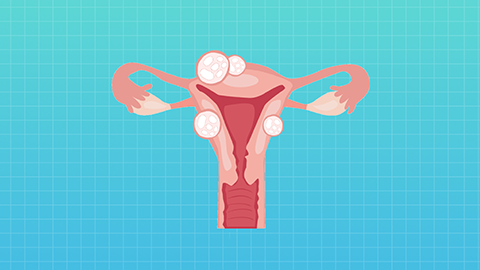
3. Uterine Fibroids
Uterine fibroids are benign tumors arising from the proliferation of uterine smooth muscle tissue. Contributing factors may include genetic predisposition, sex hormone levels, and dysfunction of stem cells. Clinical features commonly include menorrhagia, prolonged menstrual periods, shortened menstrual cycles, and irregular vaginal bleeding outside of menses. Some patients may also develop secondary anemia, fatigue, and palpitations. Treatment options include minimally invasive surgery or hysterectomy.
In addition to the above causes, endometriosis and dysfunctional uterine bleeding may also lead to this symptom. It is recommended that individuals promptly consult a healthcare provider for accurate diagnosis and targeted treatment.




