Differences Between Cirrhosis and Hepatitis
Mar 01, 2022
Source: Cainiu Health

Dr. Pan Guozheng
Introduction
Differences Between Cirrhosis and Hepatitis: Cirrhosis and hepatitis differ significantly. Although both conditions involve liver injury, they are fundamentally distinct. Hepatitis refers to chronic or acute inflammatory damage to the liver caused by various etiologies; it is classified as either chronic or acute. In contrast, cirrhosis typically results from chronic liver damage secondary to long-standing inflammatory liver diseases.
It is widely known that liver disease is a major global health concern today. Liver diseases are classified into numerous types, among which chronic hepatitis and cirrhosis have the highest incidence rates. So, what are the key differences between cirrhosis and hepatitis? Let’s explore them below.
Differences Between Cirrhosis and Hepatitis
Cirrhosis and hepatitis differ significantly. Although both involve liver injury, they are fundamentally distinct: hepatitis refers to chronic or acute inflammatory damage to the liver triggered by various etiologies—such as viral infection, certain medications, or long-term alcohol consumption—and is categorized as either chronic or acute. In contrast, cirrhosis typically results from prolonged, chronic inflammatory liver disease. The causes of hepatitis include hepatitis viruses, specific drugs, and chronic alcohol exposure, whereas cirrhosis most commonly arises from chronic liver conditions—for example, chronic hepatitis B.
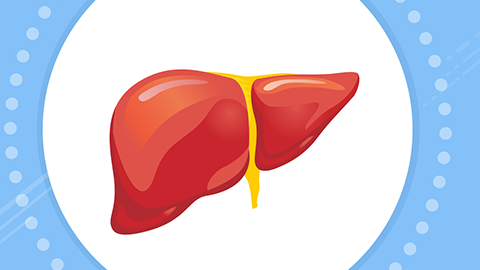
Hepatitis and cirrhosis represent sequential stages in disease progression: if hepatitis is poorly controlled, it may advance to late-stage disease, during which hepatocytes progressively lose function, fibrosis develops, connective tissue nodules form, and ultimately, cirrhosis ensues.
Patients with hepatitis require regular monitoring of liver function. For instance, patients with hepatitis B commonly undergo tests including HBV DNA quantification, quantitative hepatitis B serology (five-item panel), liver ultrasound, alpha-fetoprotein (AFP), liver fibrosis markers, and complete blood count (CBC). If viral load remains low, antiviral therapy may not be necessary; supportive treatment aimed at protecting the liver and lowering elevated transaminase levels is generally sufficient.
For patients with cirrhosis, routine follow-up examinations include abdominal ultrasound (liver and spleen), CT scans (liver and spleen), liver function tests, CBC, and prothrombin time (PT). Antiviral therapy is essential for cirrhotic patients, as it helps slow disease progression. Cirrhosis develops from advanced hepatitis, characterized by structural remodeling of the liver—including formation of regenerative nodules (pseudo-lobules)—leading to loss of normal hepatic function, decreased liver elasticity, increased stiffness, and functional impairment.
1. Regardless of whether patients have active hepatic inflammation or established cirrhosis, they must adhere to strict dietary control and completely abstain from alcohol and tobacco.
2. Avoid excessively fatty or overly salty foods—such as pickled vegetables, kimchi, or fermented soybean products—and minimize salt intake.
3. Maintain balanced nutrition to strengthen physical constitution and enhance immune resistance.