


What precautions should be taken after getting a dental crown?

Generally, after receiving a dental crown, it is essential to adopt certain precautions to ensure both oral and dental health, as well as the longevity and effectiveness of the crown. These include adjusting your diet, maintaining excellent oral hygiene, avoiding sudden or excessive force on the crown, monitoring for any oral symptoms, and scheduling regular follow-up examinations. A detailed explanation follows:
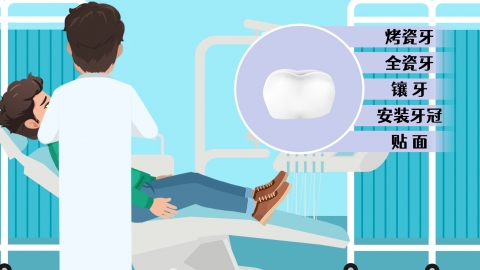
1. Adjust Your Diet
During the initial recovery period, prioritize soft and liquid foods. Avoid excessively hard or sticky foods—such as nuts, hard candies, and chewing gum—which may exert undue pressure on the crown, potentially causing loosening or dislodgement. Additionally, minimize consumption of spicy, cold, or otherwise irritating foods to protect both your natural teeth and the crown from unnecessary stimulation.
2. Maintain Optimal Oral Hygiene
Use dental floss or interdental brushes to clean hard-to-reach areas between teeth, ensuring thorough cleanliness around the crown and adjacent teeth. When brushing, opt for a soft-bristled toothbrush and employ proper brushing techniques—avoiding excessive pressure that could damage the crown.
3. Avoid Sudden or Excessive Force
Dental crowns are generally less resistant to impact than natural teeth. Therefore, avoid subjecting the crowned tooth to sudden or excessive force—for example, biting down on hard objects or using the tooth to open bottle caps—as this may lead to crown fracture or detachment.
4. Monitor Oral Symptoms
After crown placement, closely observe any changes in your mouth. Persistent bad breath or an unpleasant oral odor may indicate gaps between the crown and underlying tooth, allowing food debris to accumulate. If such symptoms arise, promptly consult your dentist for evaluation and professional cleaning.
5. Schedule Regular Follow-Up Visits
Adhere to your dentist’s recommended schedule for periodic check-ups. These visits help confirm the crown’s integrity and allow early detection and management of any emerging dental issues.
Following crown placement, strictly follow your dentist’s postoperative care instructions to preserve the crown’s function and appearance. Additionally, ensure adequate rest and avoid overexertion, which supports overall recovery.


