Can I resume sexual activity after rectal cancer surgery?
Mar 09, 2022
Source: Cainiu Health

Dr. Qi Zhirong
Introduction
After rectal cancer surgery, sexual intercourse is permissible if the surgical recovery is favorable and sexual function remains normal. If sexual function is intact, resuming marital sexual activity is generally safe and need not cause excessive concern. However, the primary prerequisite is satisfactory postoperative recovery from rectal cancer surgery; only when physical recovery is adequate should sexual activity be resumed. Moreover, intercourse should not be performed too frequently.
Rectal cancer commonly presents with abdominal pain, typically resulting from gastrointestinal dysfunction or intestinal obstruction. These complications often manifest as abdominal distension and abdominal pain—characterized primarily by dull or aching discomfort—localized predominantly in the lower abdomen and progressively worsening over time. Additional symptoms may include gradual narrowing of stool caliber; in advanced stages, patients may experience bowel obstruction and significant weight loss. So, can individuals resume sexual activity after rectal cancer surgery? Below, we address this question.
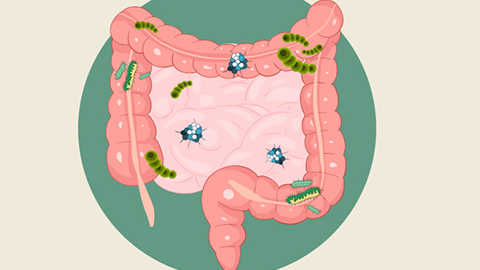
Can individuals resume sexual activity after rectal cancer surgery?
Yes, sexual activity may be resumed following rectal cancer surgery—provided postoperative recovery is satisfactory and sexual function remains intact. If sexual function is preserved, couples may safely resume sexual intercourse without excessive concern. However, the essential prerequisite is adequate surgical recovery and overall physical rehabilitation. While sexual activity is permissible, it should not be overly frequent to avoid physical exhaustion or depletion.
Postoperatively, patients should prioritize nutritional intake. Avoid spicy, stimulating, greasy, excessively cold, or hard foods, as well as moldy or spoiled items. Instead, emphasize nutrient-dense, vitamin-rich foods—such as fresh vegetables and fruits.
In general, early detection significantly improves the likelihood of cure. For patients with metastatic rectal cancer, treatment strategies primarily involve radiotherapy or biological therapy, with outcomes depending on individual physical condition and treatment response. Therefore, regular self-monitoring and timely medical evaluation are crucial to prevent disease progression.
We hope the above information is helpful to you.