


Does artificially cultivated ginseng have medicinal efficacy?
Today, many people experience significant physical weakness due to prolonged overwork and chronic late-night sleeping. In response, numerous individuals turn to ginseng for nourishment and tonification. However, first-time buyers often struggle to decide whether to purchase cultivated (farmed) ginseng or wild ginseng. So, does cultivated ginseng possess therapeutic efficacy? Let’s explore this further.
Does Cultivated Ginseng Have Therapeutic Efficacy?
Yes, cultivated ginseng does possess therapeutic efficacy.
Ginseng has a sweet and slightly bitter taste, is mildly warm in nature, and enters the Spleen and Lung meridians. It functions to strongly replenish vital Qi, tonify the Spleen and benefit the Lungs, promote the production of body fluids, and calm the mind while enhancing mental clarity and cognitive function. It is commonly used to treat conditions such as impending Qi collapse with faint pulse, Spleen Qi deficiency, prolapse of internal organs due to central Qi sinking, Lung deficiency with wheezing and cough, shortness of breath and fatigue, fluid loss with thirst, deficiency-heat type diabetes, insomnia and forgetfulness, palpitations and restlessness, blood deficiency with sallow complexion, impotence, and cold uterus.
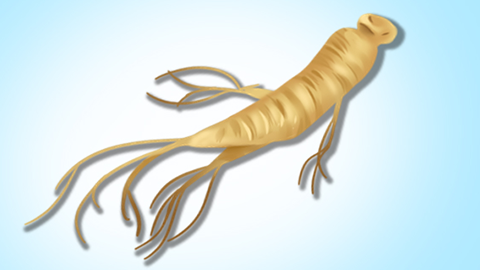
Generally speaking, cultivated ginseng retains therapeutic efficacy, and its effects are not substantially different from those of wild ginseng—thus it may be used safely and effectively. Nevertheless, it is advisable to use ginseng under the guidance of a qualified Traditional Chinese Medicine (TCM) practitioner to avoid adverse reactions caused by inappropriate indications or incorrect dosing.
Note that ginseng is contraindicated with *Lilu* (*Veratrum nigrum*), antagonized by *Wulingzhi* (*Trogopterus dung*), and incompatible with *Zaojiao* (*Gleditsia sinensis* fruit) and black beans; therefore, concurrent use is not recommended. *Acanthopanax senticosus* (Siberian ginseng) shares similar pharmacological activities and toxicity profiles with ginseng, so co-administration is also discouraged. Moreover, ginseng is strictly contraindicated in individuals with known hypersensitivity to it, as well as in cases of excess patterns, heat patterns, internal accumulation of damp-heat, or when the body’s healthy Qi remains unimpaired. During ginseng therapy, a light, bland diet is recommended; spicy and stimulating foods should be avoided to prevent interference with therapeutic efficacy.
We hope the above information proves helpful to you.


